The $15k Tech-First Wedding: AI and Digital Hacks for 120 Guests
The $15k Wedding Reality Check in 2026
When Sarah and Leo got engaged in early 2025, they were met with a harsh reality: the average wedding cost in their city had ballooned to nearly $45,000. For a couple saving for a down payment on their first home, that number wasn't just daunting—it was impossible.
"We wanted the 120-person celebration with all our friends, but we refused to start our marriage in debt," Sarah told us. They decided to flip the script. Instead of cutting the guest list, they leaned into technology. By January 2026, they executed a 'Tech-First' wedding that felt premium, looked incredible, and cost exactly $14,850.
Here is exactly how they did it, and the lessons you can apply to your own modern celebration.
1. The AI Wedding Planner: Saving $3,000 Upfront
Traditional full-service planners are worth their weight in gold, but for Sarah and Leo, that $3,000 to $5,000 fee was better spent elsewhere. Instead, they used a custom-trained AI project management suite to handle the heavy lifting.
If you think AI is just for writing emails, think again. They used an AI tool to:
- Compare Venue Contracts: The AI scanned four different contracts to find hidden 'corkage' fees and cleaning surcharges.
- Optimize the Timeline: By inputting their guest count and travel times between the hotel and the garden venue, the AI generated a minute-by-minute itinerary that prevented 'bottlenecks' during the cocktail hour.
- Draft Personalized Vows: Leo used AI as a 'co-writer' to help structure his thoughts, turning a messy notebook of memories into a cohesive, emotional speech.
2. Digital Signage Over High-Cost Stationery
One of the biggest 'stealth' costs in wedding planning is paper. Between Save-the-Dates, invitations, RSVP cards, programs, and menus, the bill often exceeds $2,500.
When Sarah realized she was spending $4 per menu just for it to be thrown away, she pivoted. The couple used three high-resolution tablets and a borrowed 55-inch smart TV placed on a vintage wooden easel. The screen displayed a rotating gallery of their engagement photos and a live-updating schedule of events. Not only did this save $1,800, but it allowed them to make a last-minute change to the seating chart in five seconds when a guest caught a flight delay.
3. The Photographers' Secret Weapon
Sarah and Leo knew they wanted a professional photographer for the ceremony and portraits ($3,500), but they couldn't afford a second shooter or a videographer for the six-hour reception.
Instead of the outdated 'disposable camera' trend (which costs a fortune to develop and often yields blurry results), they turned their guests into the ultimate content team. By setting up a dedicated gallery via KnotShots, they gave every guest a simple QR code to upload photos and videos instantly.
By the time the couple reached their hotel at midnight, they already had 842 photos and 45 videos from every possible angle—from the flower girl’s perspective to the high-energy dance floor shots their professional photographer might have missed while taking a break. It turned their 120 guests into 120 amateur videographers, all for the price of a single dinner plate.
4. Multi-Cultural 'Hybrid' Catering
Catering is usually the budget-killer. Sarah and Leo bypassed the 'Chicken or Beef' plated dinner, which was quoted at $120 per head. Instead, they opted for a 'Hybrid Micro-Truck' concept.
They hired a local high-end catering team to provide a massive, beautifully styled grazing board for the first two hours ($2,500) and then brought in two boutique food trucks for the main meal ($4,000). To keep it organized, they used a digital 'call-up' system where guests received a text notification when it was their table's turn to visit the trucks. No lines, no cold food, and a saving of nearly $8,000 compared to a traditional ballroom meal.
5. The $800 Floral Hack: Upcycling and Rentals
Florals are notoriously expensive because of the labor and the 'once-and-done' nature of the product. Sarah and Leo used a two-step strategy to keep their floral budget under $1,000:
- The 'Transfer' Method: The arrangements used at the ceremony altar were designed to be easily moved by two ushers to the sweetheart table and the cake display during the cocktail hour.
- High-End Silk Foliage: They mixed real, highly scented lilies and roses in the bridal bouquet with premium silk greenery in the overhead hangings. From six feet away, nobody could tell the difference, and they sold the silk pieces on a wedding marketplace three days after the event for 60% of what they paid.
6. What to Automate and What to Keep Human
The biggest takeaway from Sarah and Leo’s success wasn't just the tech—it was knowing where to stop. They didn't use an AI voice for announcements; they had a charismatic friend act as the MC. They didn't have a 'robot' bar; they hired two skilled mixologists who could chat with the guests.
When you use technology to handle the logistical 'noise'—the RSVP tracking, the photo gathering, and the scheduling—you free up your emotional energy to actually be present. The tech didn't make their wedding colder; it made it more human by removing the stress of manual coordination.
Actionable Takeaways for Your 2026 Wedding:
- Audit Your Paper: Ask yourself if a digital alternative (like a QR code for the menu) could save you $500 or more.
- Crowdsource the Reception: Don't pay for a second shooter if you have 100+ guests with high-end smartphones. Use a platform like KnotShots to centralize those memories.
- AI as an Assistant, Not a Replacement: Use AI for the 'boring' stuff like contract comparisons and logistics, so you can focus on the creative elements.
Planning a wedding on a budget doesn't mean compromising on your vision. It means being the CEO of your celebration and using every tool at your disposal to make the numbers work.
Ready to capture every angle of your big day without the extra cost? Start your KnotShots gallery today and let your guests help tell your story.
Related Articles
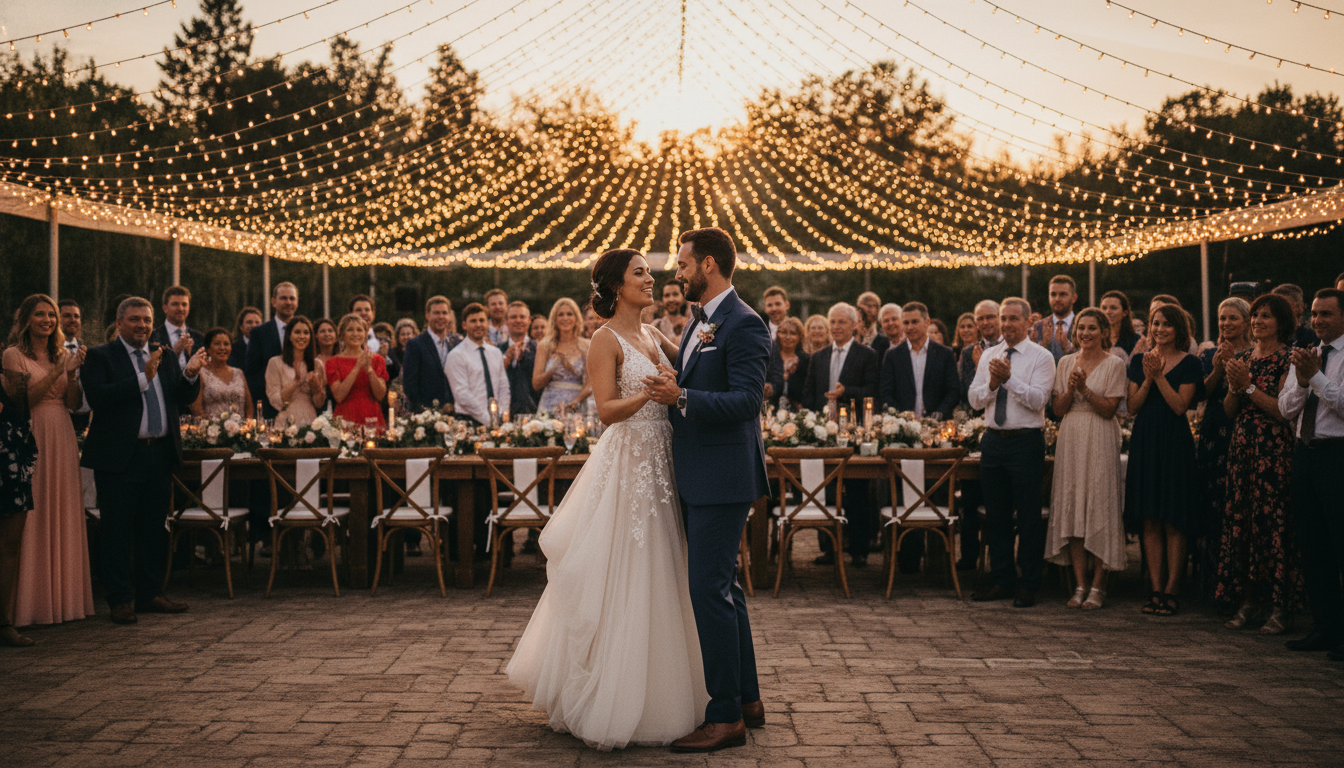
The 12-Guest Redwood Elopement: High-End Memories on a $5,000 Budget
Discover how Sarah and Leo traded a $48,000 ballroom bill for a 12-guest Redwood elopement that cost just $5,000—without sacrificing a single memory.
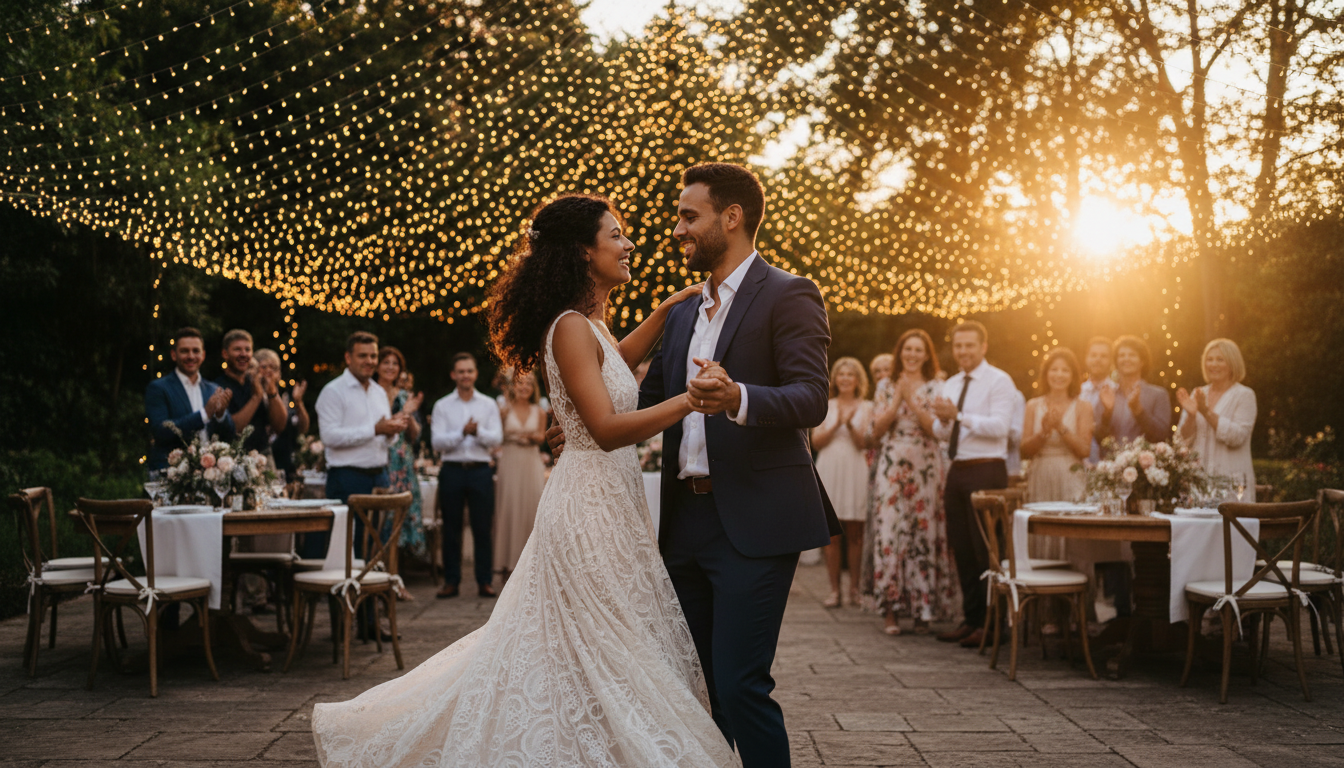
The $15k Wedding Pivot: Sarah & Leo’s 2026 Micro-Ceremony
Discover how one couple slashed $15,000 from their budget using a micro-wedding strategy and smart photo sharing technology.
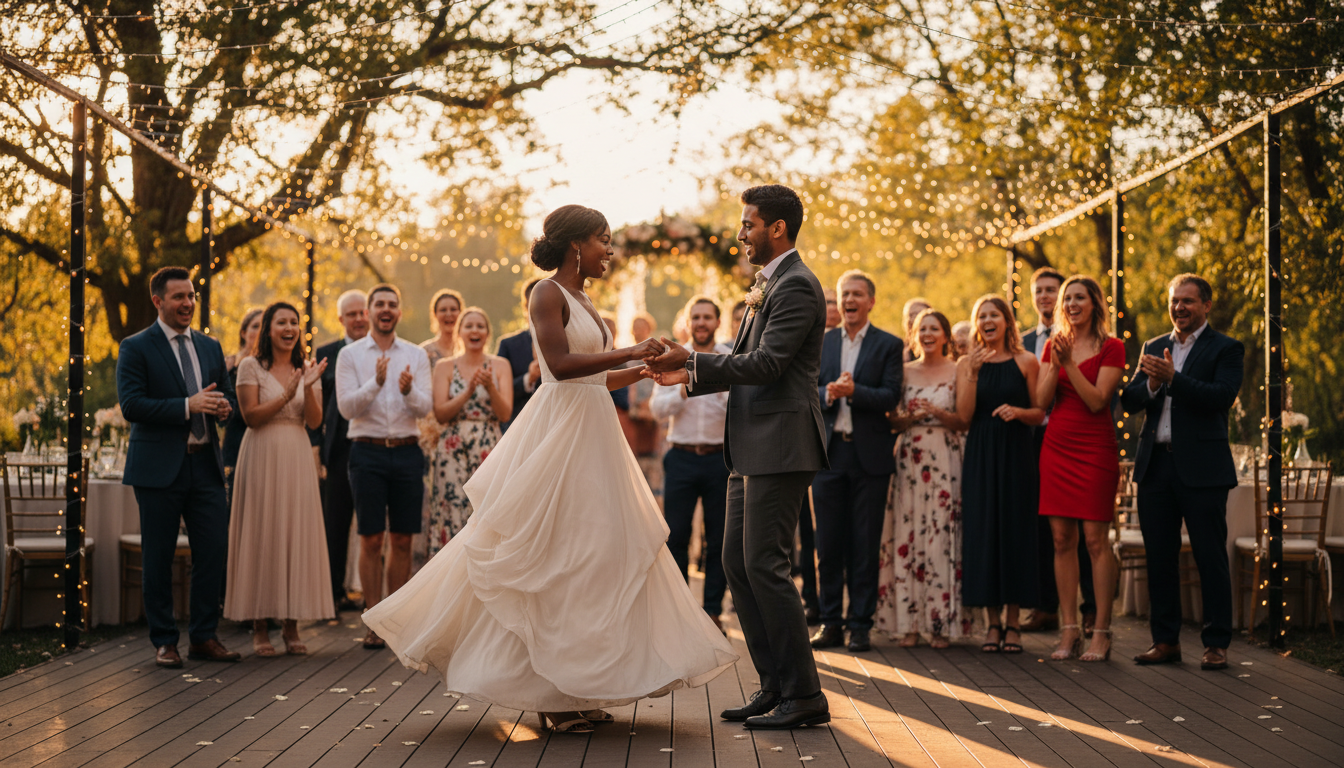
Two Ceremonies, One Story: How Sofia and Raj Blended Traditions
Discover how one couple successfully managed a 3-day multi-cultural wedding and captured every moment from two distinct ceremonies without the chaos.