The 2026 Hybrid Unplugged Guide: Balancing Presence and Pixels
Why the 'No Phone' Sign Is Failing (And What to Do Instead)
Let’s be honest: those rustic chalkboard signs that say "Please Put Away Your Phones" are starting to feel a bit like a lecture from a high school principal. By the time we hit 2026, the digital world and our physical reality have become so intertwined that asking a guest to go three hours without their device feels less like an invitation to 'be present' and more like an inconvenience.
Yet, the pain point remains real. You’ve spent $5,000 on a world-class photographer, only to have your gallery filled with photos of your guests' foreheads and the backs of their smartphones. If you've ever seen a processional shot ruined by a guest leaning into the aisle with a tablet (yes, people still do that), you know the frustration.
Today, we are moving away from the binary "All or Nothing" approach. Welcome to the era of the Hybrid Unplugged Wedding. This strategy doesn't ban technology; it manages it. Here is how to ensure your guests are emotionally present while still letting them capture the magic of your day.
The Psychology of the 'Guest Photographer'
Why do guests insist on taking photos when they know a professional is hired? It usually comes down to three things: FOMO (Fear Of Missing Out), the desire for instant gratification, and the fear that they will never actually see the professional photos.
In 2026, the "scarcity mindset" is at an all-time high. Guests want a photo for their own social archives now, not in eight weeks when the edited gallery drops. When you understand that their behavior comes from a place of love and excitement, you can design a day that satisfies their digital itch without compromising your ceremony's sanctity.
Section 1: The 'Golden 120 Seconds' Strategy
One of the most effective ways to manage a crowd is the "Two-Minute Buffer." At the start of the ceremony, have your officiant make a lighthearted announcement.
"The couple invites you to take all the photos you want for the next two minutes. Get your best shots, your selfies, and your wide angles. After that, we ask that you tuck your devices away so we can all be fully present for the exchange of vows.”
This small concession acts as a release valve. Guests get their "proof of attendance" shot, and then they are much more likely to comply with the request to stay unplugged for the remainder of the service. It acknowledges their desire rather than ignoring it.
Section 2: Solving the 'Will I Ever See These?' Problem
If you want people to put their phones away, you have to promise them a better alternative. The biggest reason people take blurry photos from the 14th row is that they don't believe they’ll ever get to see the "good" ones.
If you use a platform like KnotShots to create a centralized, instant-access event hub, you can put that anxiety to rest. Include a QR code on your ceremony programs or a small card at the welcome table. When guests realize there is a dedicated space where everyone's photos—including yours—will eventually live, they feel like they are part of a collective memory-making process rather than a private event they are just watching through a screen.
Section 3: Defining Clear 'Device-Free Zones'
Not every part of your wedding needs to be a digital blackout. Instead of a blanket ban, designate specific zones and times.
- The Processional: Strictly unplugged. No one wants to see an iPhone 17 in the foreground of the bride's first appearance.
- The Vows: Strictly unplugged. This is about eye contact and energy.
- The First Dance: Hybrid. Professional shots are key, but the shaky, raw footage from a friend’s phone often captures the emotion in a way that feels incredibly nostalgic later.
- The Reception: Digital Free-for-All. This is where the candid magic happens.
Section 4: The 2026 Etiquette for the 'Content Creator' Guest
We are seeing a rise in the "Wedding Content Creator"—professional or semi-professional friends who are tasked with getting TikToks and Reels. If you have one of these, communicate their role to your primary photographer early. The last thing you want is your high-paid pro getting into a territorial dispute with your cousin who has 50k followers.
If you are a guest, follow the "Shoulder Rule": Never raise your phone higher than your own shoulder. This ensures you aren't blocking the view of the person behind you or the lens of the professional photographer.
Section 5: Dealing with the 'Tech-Heavy' Relative
We all have that one uncle who brings a full DSLR and a tripod to a wedding. Handling this requires a direct, pre-event conversation.
The Script: "Uncle Bob, we love how much you care about photography, but we've hired a team so that you can specifically enjoy the day as our guest, not as a staff member. We’d love for you to leave the big gear at home and just be in the moment with us."
Most of the time, these relatives feel they are doing you a favor. By explicitly "releasing" them from that duty, you are actually giving them a gift: the permission to relax.
Summary: The Presence-First Mindset
At the end of the day, your wedding isn't a production for social media—it's a milestone in your life. By using a hybrid approach, you acknowledge the reality of the 2026 digital landscape while protecting the intimacy of your commitment. Give your guests a window to click, a place to share, and a reason to put the phone down.
Ready to simplify your wedding photo sharing? Don't let your guests' great shots stay buried in their camera rolls. Set up your KnotShots gallery today and make sure every memory is captured and shared effortlessly.
Related Articles
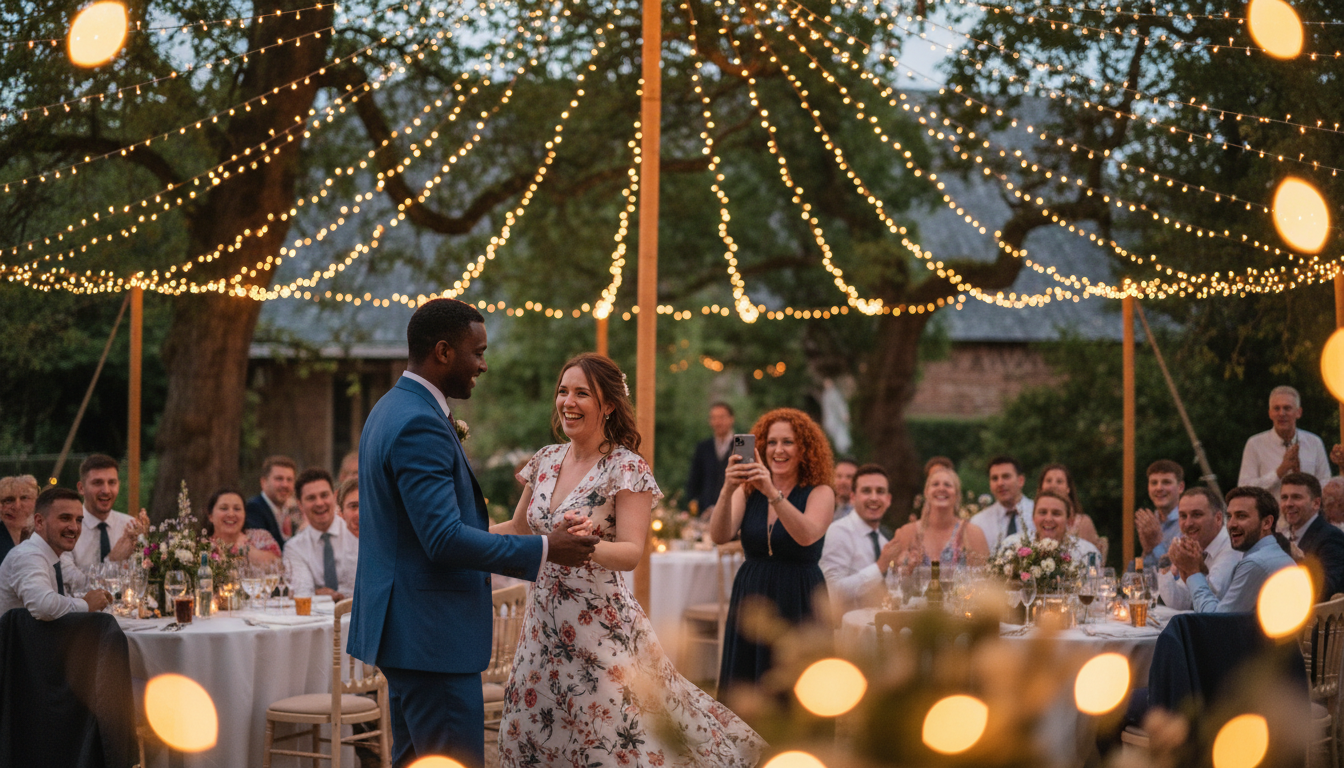
7 Practical Ways to Bridge the Tech Gap at Your 2026 Wedding
Don't let your high-tech wedding alienate low-tech guests. Learn how to balance AI, QR codes, and digital sharing with traditional charm.
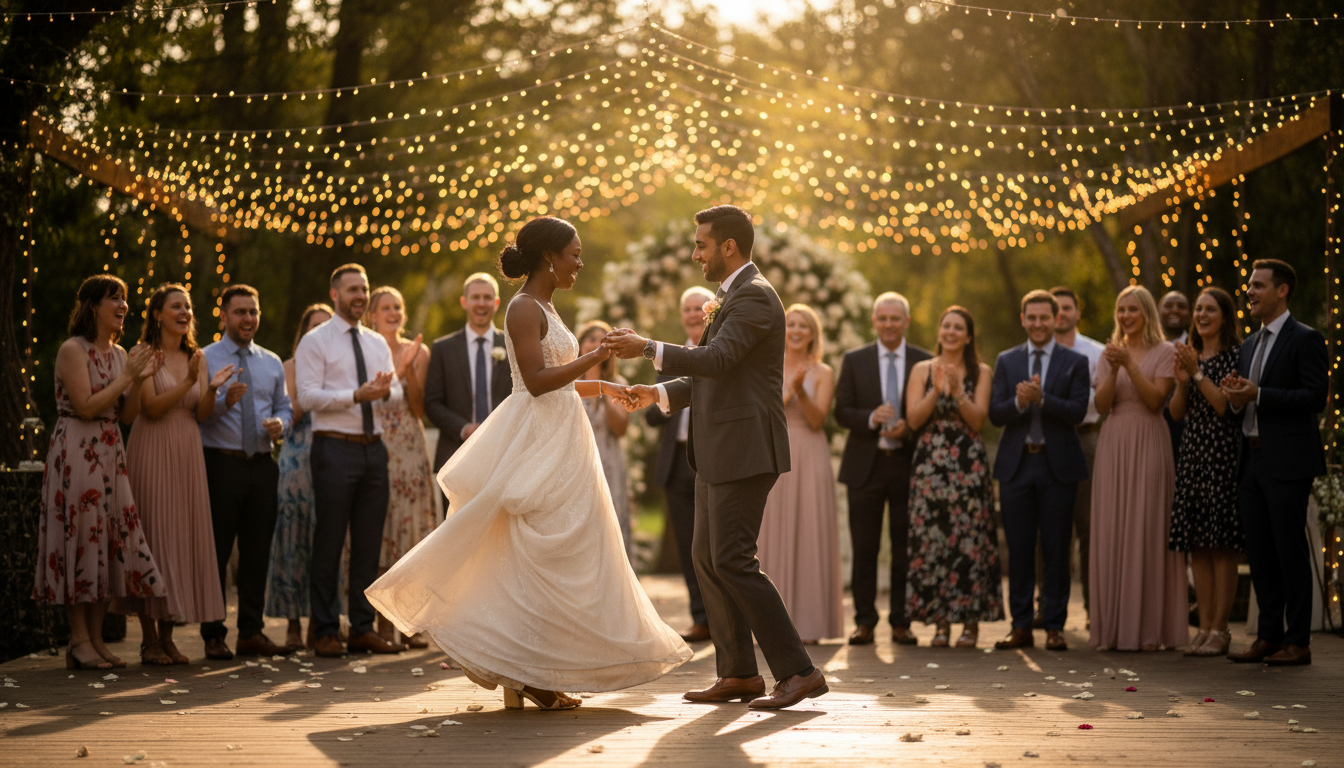
Wedding Photo Ghosting: 5 Ways to Get Every Guest's Shot
Tired of waiting months for pro photos? Learn how to stop guest photo ghosting and collect every candid moment from your wedding instantly.
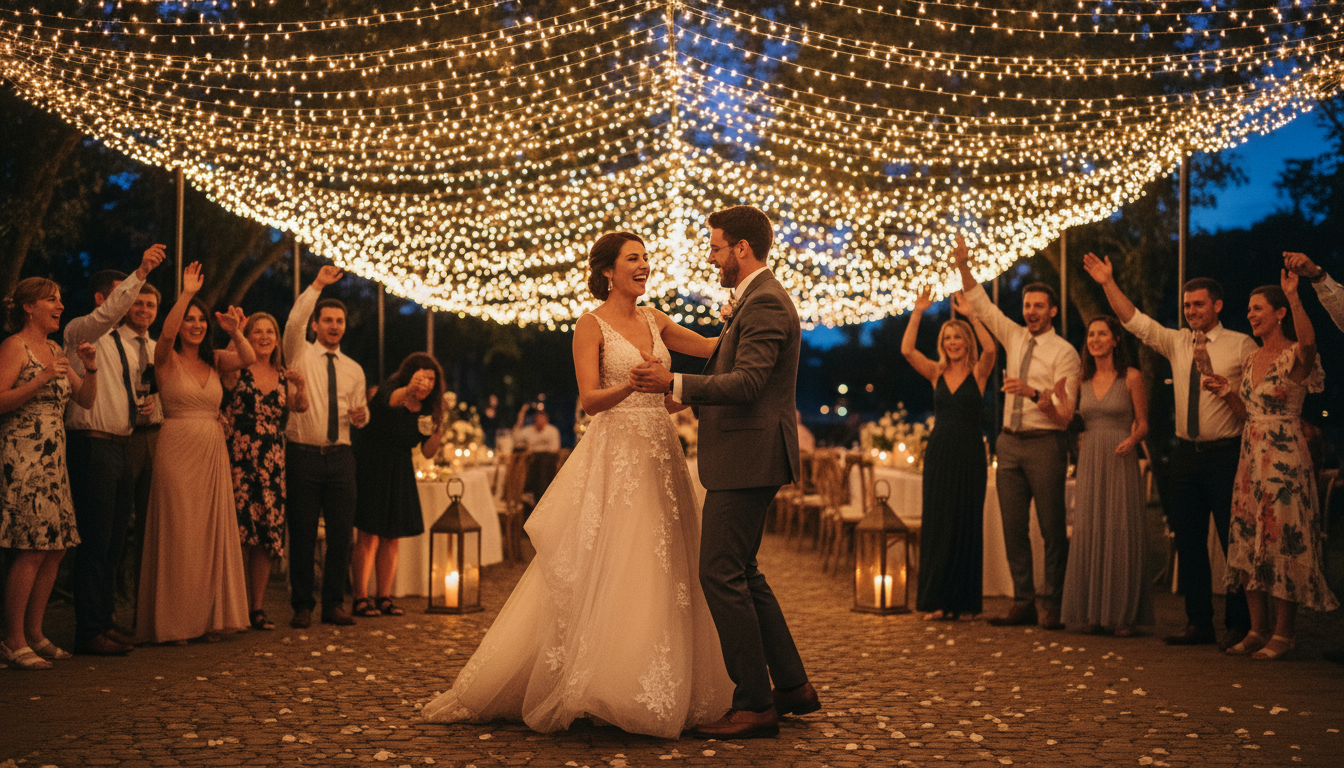
Why Small Weddings Fail at Photo Memories (And 5 Ways to Fix It)
Intimate weddings often result in fewer photos than large ones. Learn why the 'intimacy gap' happens and how to capture every moment in 2026.