The 'Anti-Paparazzi' Wedding: Capturing Every Moment Without the Chaos
Why the 'Paparazzi' Wedding is officially Out for 2026
It’s your big day. You’re standing at the altar, looking into your partner’s eyes, and right as you begin your vows, you hear the rapid-fire clack-clack-clack of a high-speed shutter inches from your ear. Suddenly, the intimacy of the moment evaporates. You aren't just a couple in love anymore; you’re the subject of a high-intensity photo shoot.
In early 2026, we’re seeing a massive shift in wedding planning. Couples—especially introverts and those prioritizing 'vibe' over 'vanity'—are moving away from the intrusive, over-produced photography styles of the past decade. The goal now? An 'Anti-Paparazzi' wedding. This doesn't mean skipping the photos; it means being intentional about how those memories are captured without turning your reception into a press conference.
1. Redefining the 'Shot List' for Minimal Intrusions
Most traditional shot lists involve 45 minutes of posing in front of a fountain. In 2026, the trend is moving toward 'Atmospheric Documentation.' Instead of a list of forced poses, provide your photographer with a 'Feeling List.'
Instead of asking for 'Bride and Groom looking at camera,' ask for 'The way my partner looks when I’m not looking at them.' By shifting the focus to candid interaction, the photographer naturally moves further back, using longer lenses to stay out of your personal space. If your guest list is under 50 people, this becomes even more vital. Large camera rigs in small rooms kill the energy. When you interview photographers, ask them about their 'footprint.' Do they use massive softboxes and tripods, or can they work with the ambient light of your venue?
2. The Unplugged Ceremony 2.0: Beyond the Signage
We’ve all seen the 'Unplugged Ceremony' signs, but by 2026, guests have become remarkably tech-dependent. To truly keep the 'paparazzi' feel at bay, you need a more proactive strategy.
Have your officiant make a specific, warm announcement: 'The couple has invited a professional to capture the big moments so that you can simply be present with your hearts, not your screens.' If guests know there is a dedicated, easy way to see the photos later, they are much less likely to stick their iPhone 17 into the aisle during your first kiss.
3. Harnessing the Power of Guest Perspectives (Quietly)
One of the biggest fears of the 'Anti-Paparazzi' movement is missing the small, funny, or heartfelt moments that the professional photographer—who is focusing on you—might overlook. You want the photo of your college roommate laughing at a secret joke or your grandmother’s reaction to the dessert bar.
You don't need five photographers to do this. This is where KnotShots changes the game. By placing a few elegant QR codes at the bar or on the tables, guests can upload their raw, authentic snaps directly to your private gallery throughout the night. It eliminates the need for 'disposable cameras' (which are expensive to develop and often result in poor quality) and keeps people from cluttering social media before you’ve even had your first dance.
4. Lighting Without the 'Flash-Bang' Effect
Nothing screams 'paparazzi' more than a blinding strobe light hitting you every thirty seconds during dinner. With the low-light capabilities of modern 2026 mirrorless cameras, heavy flash is often unnecessary.
When scouting venues, look for 'photographer-friendly' lighting—fairy lights, warm LEDs, or large windows. If your event is at night, talk to your photography team about using 'Off-Camera Flash' (OCF) tucked into the corners of the room. This creates a beautiful, cinematic glow across the entire floor rather than a direct, distracting beam hitting your face every time a photo is taken.
5. The 'Quiet' Photography Interview: 3 Questions to Ask
If you want a low-profile wedding, you need a specific type of professional. When interviewing, look for these three green flags:
- 'What gear do you use for ceremonies?' If they mention 'silent shutter' mirrorless cameras, they’re prepared. If they still use loud DSLRs, your vows will have a soundtrack of clicking.
- 'How do you handle guest coordination?' A good low-profile photographer works with the crowd, not against them. They should be able to blend in like a guest, not a director.
- 'Can I see a full gallery from a small event?' High-energy, 300-person weddings are easy to hide in. Capturing a 30-person dinner requires a much more subtle touch.
6. Planning for 'Ghost' Photography Moments
If you truly hate being the center of attention, schedule your formal portraits before the ceremony (the 'First Look'). This allows you to get the 'paparazzi' part of the day out of the way while you’re fresh and private.
Once the guests arrive, your photographers should transition into 'Ghost Mode.' This is a specific instruction where the photographer agrees not to interrupt any conversation for a photo. No 'Hey, can you guys look here?' No tapping on shoulders. They document the life of the party as it happens, ensuring that when you look back at your album, you remember the conversation you were having, not the person who interrupted it.
The Takeaway: It’s Your Day, Not a Production
Your wedding is a milestone, not a content-creation set. By choosing a low-profile photography style, utilizing tech like KnotShots to gather guest memories, and hiring professionals who value silence as much as a good angle, you can ensure your 2026 wedding feels as intimate as it looks in the photos.
Ready to simplify your wedding photos? Create your event on KnotShots today and let your guests help capture the magic—without the camera-in-your-face chaos.
Related Articles
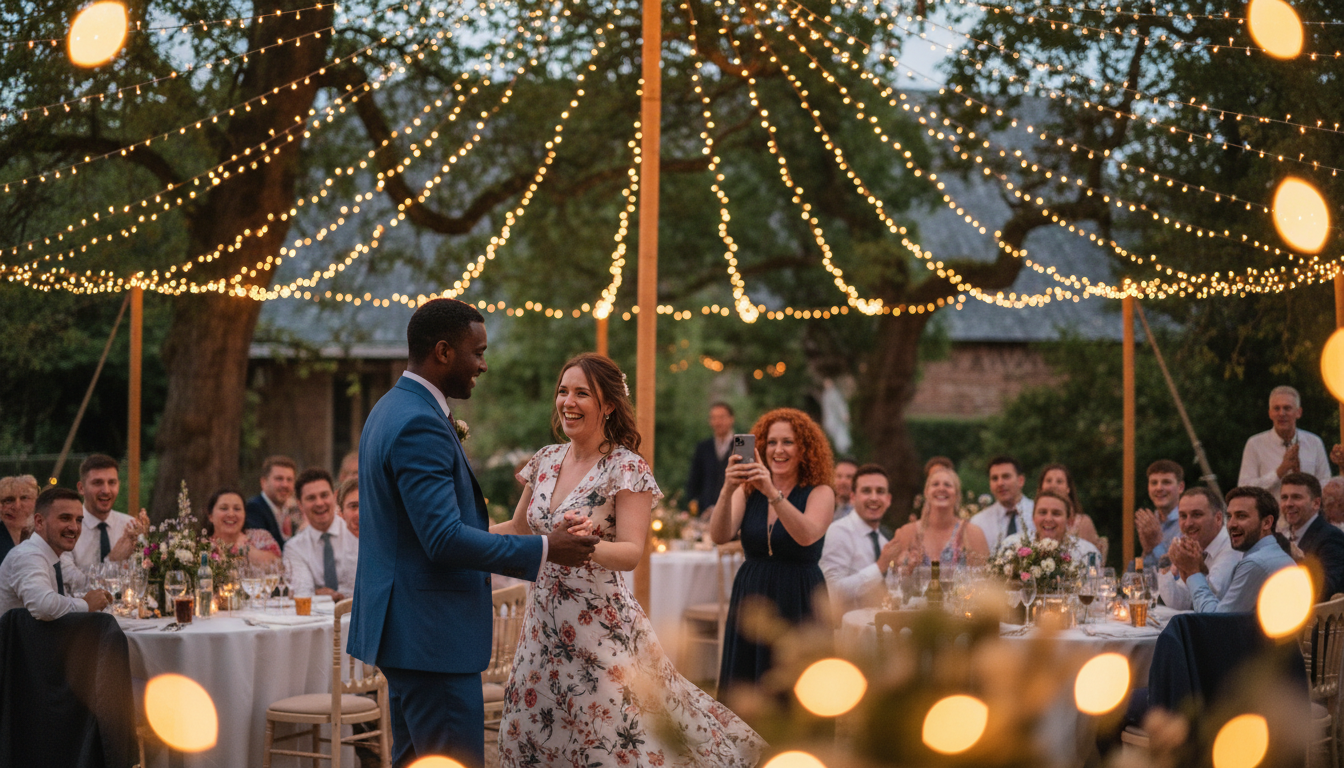
7 Practical Ways to Bridge the Tech Gap at Your 2026 Wedding
Don't let your high-tech wedding alienate low-tech guests. Learn how to balance AI, QR codes, and digital sharing with traditional charm.
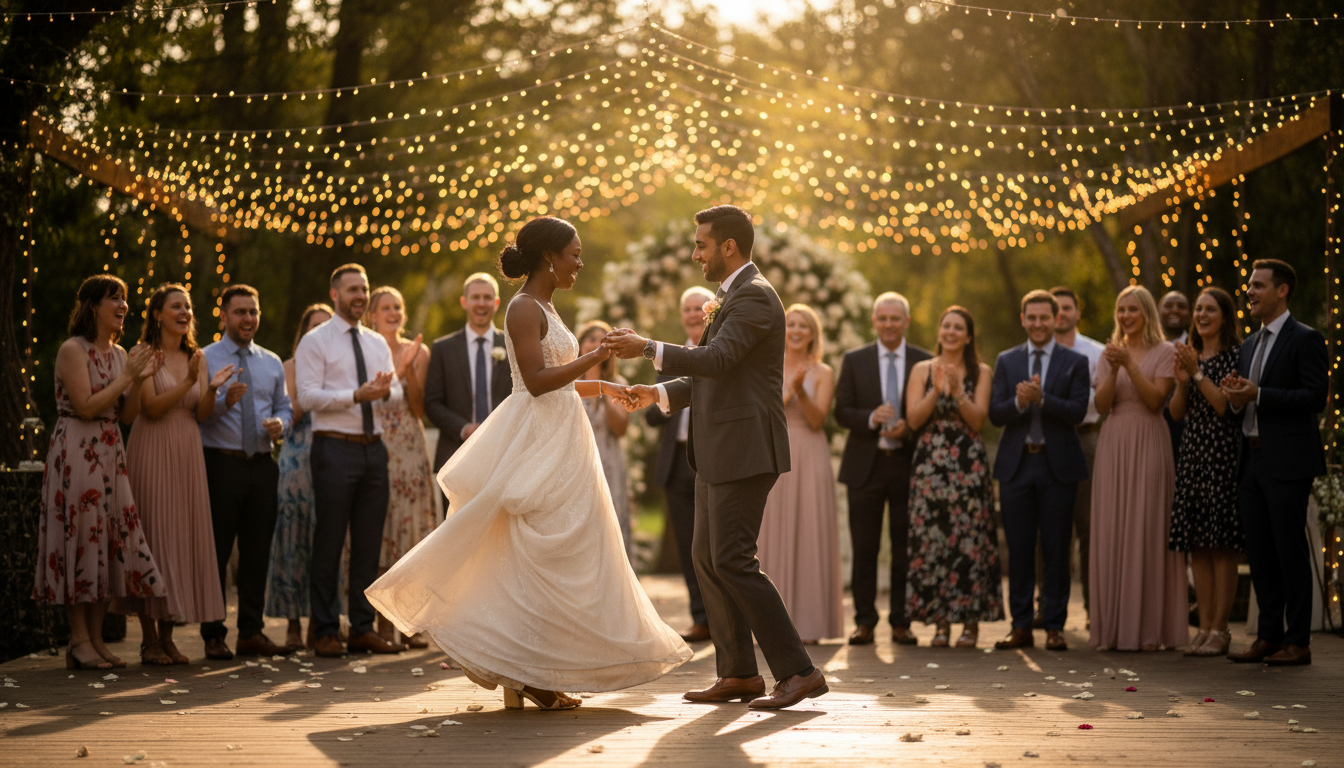
Wedding Photo Ghosting: 5 Ways to Get Every Guest's Shot
Tired of waiting months for pro photos? Learn how to stop guest photo ghosting and collect every candid moment from your wedding instantly.
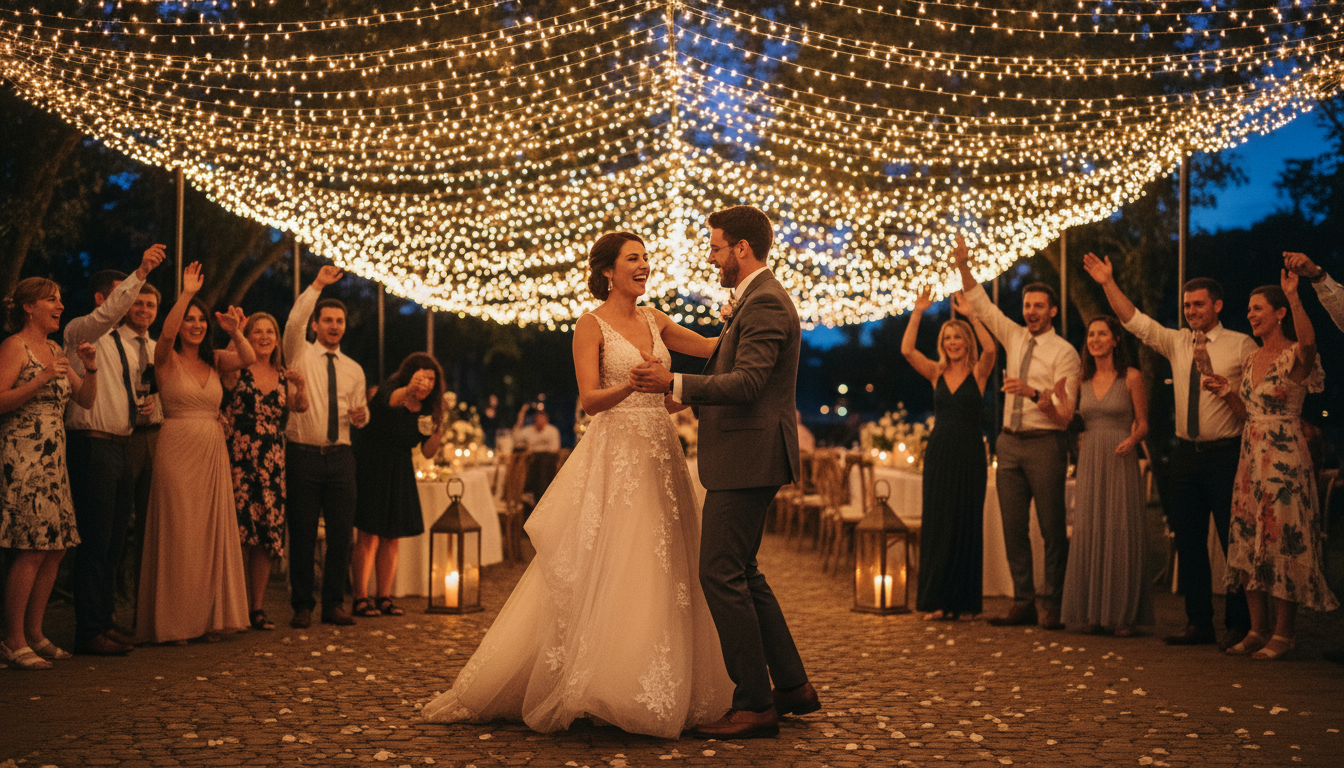
Why Small Weddings Fail at Photo Memories (And 5 Ways to Fix It)
Intimate weddings often result in fewer photos than large ones. Learn why the 'intimacy gap' happens and how to capture every moment in 2026.