The Era of the 'Anti-Wedding' is Officially Here
Forget the 200-person ballroom and the rubber chicken dinner. In 2026, the coolest weddings aren't the biggest; they’re the smartest. Couples are increasingly rejecting the high-stress, high-debt traditional model in favor of the 'Digital-First Micro-Wedding.' This isn't just about shrinking the guest list—it’s about using technology to create a high-end, intimate experience that focuses on the people who actually matter.
Take Leo and Sarah, a couple from Seattle who planned their entire day in just four months. They didn't want a $50,000 bill hanging over their heads, but they did want the aesthetic of a luxury editorial shoot. By following these seven steps, they pulled off a 25-person celebration that looked like it cost triple what they spent.
Step 1: The Brutal (But Necessary) Guest List Cull
The math is simple: fewer heads mean higher quality for those who remain. To make a micro-wedding work, you have to be ruthless. We recommend the '3-Year Rule.' If you haven't shared a meal or a deep conversation with this person since January 2023, they aren't on the list for the physical event.
Creating the 'Virtual Tier'
Don't feel guilty about the cousins you haven't seen in a decade. 2026 is the year of the 'B-List Livestream.' By setting up a high-quality private stream, you can involve 150 more people in the ceremony without paying for their $150-a-head dinner. It keeps the intimacy high while ensuring no one feels truly left out.
Step 2: Source an 'Aesthetic-First' Non-Traditional Venue
Traditional wedding venues often have 'package' pricing that includes things you don't need. Instead, look for architectural gems that don't need much decoration. Think modern art galleries, private penthouse rentals, or even a glass-walled botanical garden.
Leo and Sarah chose a local boutique plant shop. The natural greenery meant they spent $0 on floral arrangements, and the rental fee was a fraction of a hotel ballroom. Search for spaces with 'natural light' and 'interesting textures' to ensure your photos look premium without the rental markup.
Step 3: Master the Content Strategy Early
In a digital-first wedding, how the day is captured is just as important as the day itself. However, you don't need a 5-person camera crew. Modern couples are opting for 'Content Creators' over traditional videographers to get those snappy, social-ready clips within 24 hours.
To capture the heart of the event, you need a way to gather every single guest's perspective. Instead of hunting through Instagram tags for months, Leo and Sarah used a KnotShots QR code on every table and the bar. This allowed their 25 guests to instantly upload high-res photos and videos to a shared gallery. They ended up with 400+ candid shots from their friends' perspectives before they even left for their honeymoon the next morning.
Step 4: The 'Sustainable Luxury' Wardrobe
2026 is seeing a massive shift toward pre-loved luxury. Renting a runway-ready gown or suit for $400 is significantly more 'Gen Z' than buying a $4,000 dress that sits in a box forever. Look for platforms that offer archival pieces from top designers. This allows you to have that 'high-fashion' moment in your photos while keeping the budget focused on guest experience.
Step 5: Replace the Buffet with an 'Experience'
When you only have 30 guests, you can afford to do something spectacular with food. Instead of a generic buffet, hire a private chef for a 7-course tasting menu or a high-end sushi bar experience.
Focus on the Interaction
Small weddings thrive on conversation. Long, communal tables with family-style serving pieces encourage guests to mingle and talk. This also creates a 'dinner party' vibe that is much more relaxed and memorable than the formal structure of a 200-person event.
Step 6: Tech-Forward Gifting and Logistics
Stop registry-shaming. Digital-first couples are moving away from physical blenders and toward 'Experience Funds.' Use a platform that allows guests to contribute to your mortgage, a specific travel excursion, or even a piece of fine art.
On the logistics side, use an automated messaging service for your guests. Instead of mailing paper reminders, a quick SMS with a link to the venue map and the KnotShots upload portal on the morning of the wedding ensures everyone is on the same page without the paper waste.
Step 7: The 'After-Movie' Reveal
Since your wedding is small, the 'Reveal' becomes a secondary event. Two weeks after the wedding, host a virtual or in-person 'watch party' where you share the edited highlights and the full guest gallery.
- Review the candid shots: Looking through the eyes of your guests often reveals moments you missed.
- Share the link: Send the digital gallery to the 'Virtual Tier' guests who couldn't be there physically.
- Print selectively: With the money you saved on the venue, invest in one high-quality, large-scale print of your favorite guest-captured moment.
Final Thoughts: Quality Over Quantity
A wedding isn't a performance for 200 people; it's a milestone for you. By embracing the micro-wedding trend and using tools like KnotShots to bridge the gap between physical and digital, you can create a day that is authentic, visually stunning, and financially responsible.
Ready to simplify your wedding photos? Create your private event gallery on KnotShots today and start collecting memories from every angle.
Related Articles
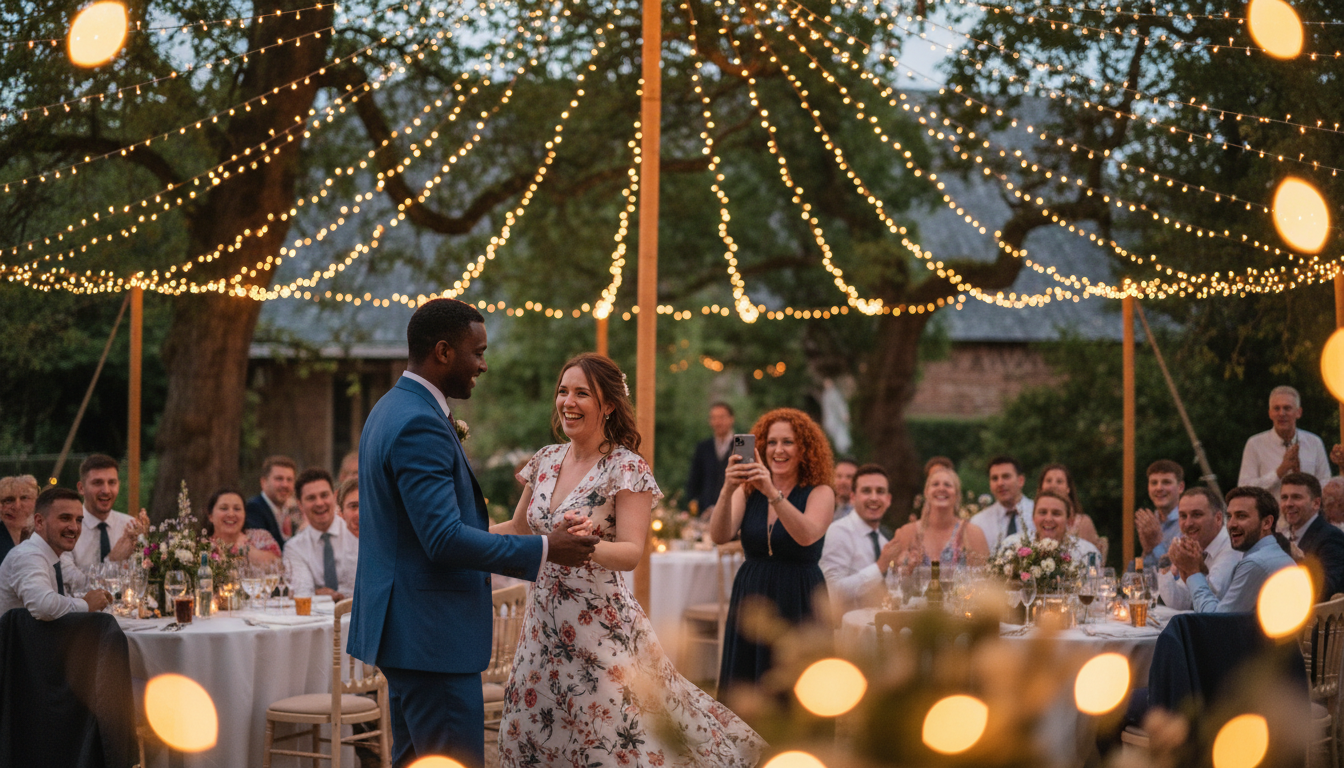
7 Practical Ways to Bridge the Tech Gap at Your 2026 Wedding
Don't let your high-tech wedding alienate low-tech guests. Learn how to balance AI, QR codes, and digital sharing with traditional charm.
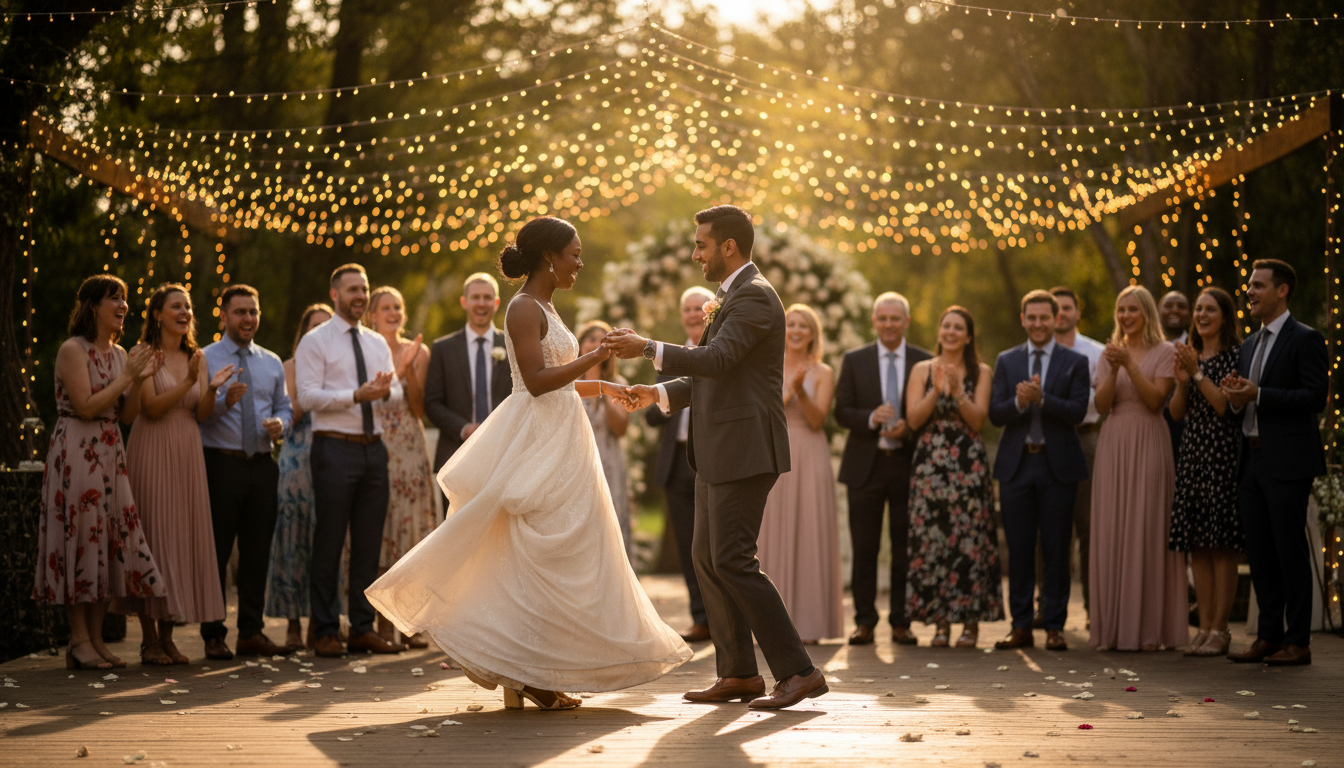
Wedding Photo Ghosting: 5 Ways to Get Every Guest's Shot
Tired of waiting months for pro photos? Learn how to stop guest photo ghosting and collect every candid moment from your wedding instantly.
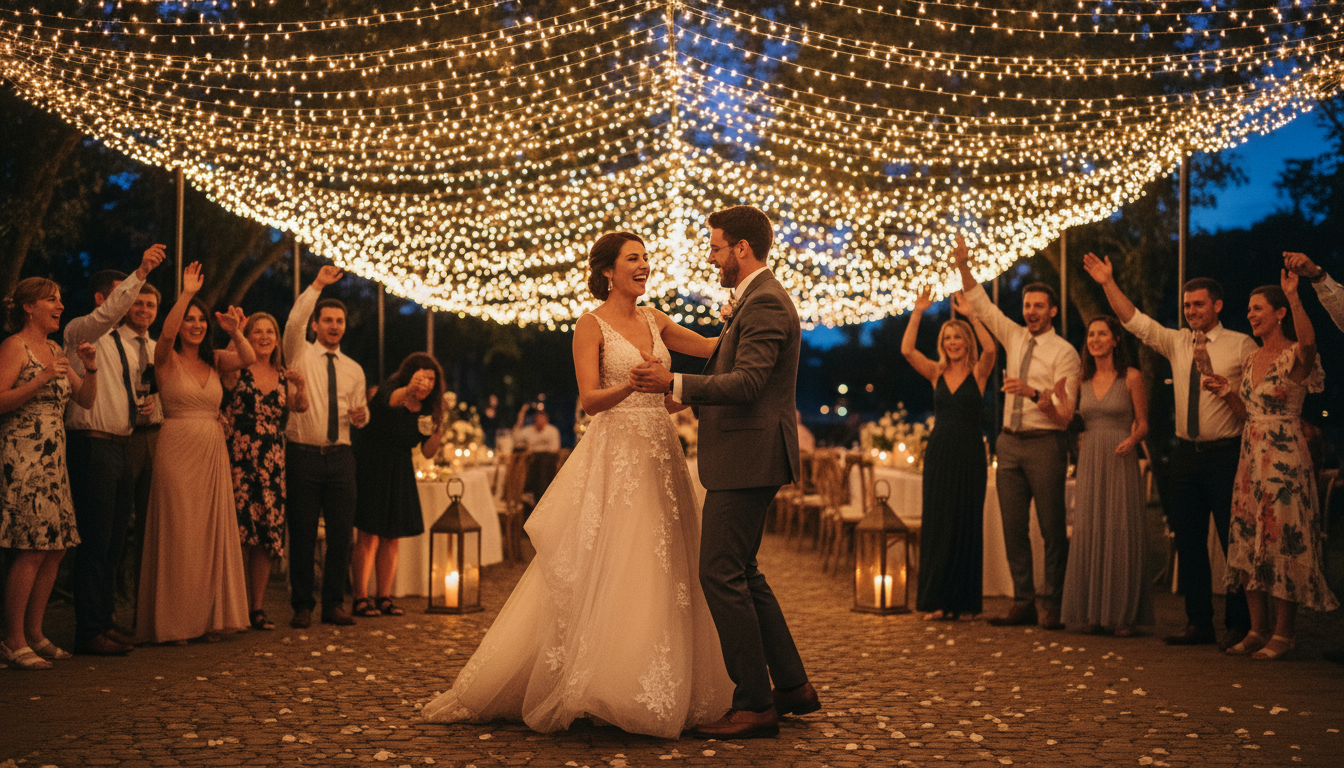
Why Small Weddings Fail at Photo Memories (And 5 Ways to Fix It)
Intimate weddings often result in fewer photos than large ones. Learn why the 'intimacy gap' happens and how to capture every moment in 2026.