The Sea of Screens: Why Unplugged is Trending in 2026
Walk down any wedding aisle today and you’ll likely see it: a dozen glowing rectangles held aloft, obscuring the view of the person behind them and—more importantly—distracting the guests from the actual human connection happening at the altar. In 2026, we are seeing a massive shift toward 'no-phone' or 'unplugged' ceremonies. But there is a major fear that stops couples from pulling the trigger: 'If nobody has their phone out, will I miss all those candid, behind-the-scenes moments?'
The answer is a resounding no. You don't have to sacrifice the spontaneous joy of guest-captured media to have a respectful, present ceremony. You just need a better strategy than a chalkboard sign that everyone ignores.
1. The 'Digital Valet' Entryway
If you want to truly commit to a screen-free experience, you have to make it easy for your guests. We are seeing a rise in 'Digital Valets'—chic stations where guests can safely check their devices in exchange for a numbered token, much like a coat check.
This works particularly well for high-end, intimate gatherings where the goal is total immersion. When Sarah and Leo got married last month, they provided small, velvet-lined lockers. Guests weren't just told to put phones away; they were given a physical space to let go of the digital weight. The result? The loudest, most attentive 'I do' cheer we’ve heard in years.
2. Modern Invitation Etiquette (Beyond the Board)
Waiting until guests arrive at the venue to announce an unplugged policy is a recipe for friction. Start the conversation early. Use your 2026 digital invitations or paper suites to set the tone.
Instead of saying 'No Photos,' try framing it as a gift to them: 'We’ve hired world-class professionals to capture our day so that you can be fully present with us. We invite you to be truly off-the-grid during our ceremony.' This positions the rule as a luxury experience rather than a restriction.
3. The 'Paparazzi Minute' Compromise
If you know your family simply won't be able to resist the urge to snap a photo, build it into the schedule. After the couple has reached the altar but before the vows begin, have the officiant announce a 'Sixty-Second Paparazzi Sprint.'
Allow everyone to take their phones out, get the shot of the couple looking radiant, and then ask them to power down and stow the devices for the remainder of the service. This satisfies the 'I was there' social media urge while protecting the sanctity of the actual vows.
4. Gamifying the Photo Collection Strategy
Once the ceremony is over and the reception begins, you actually want those photos back. This is where most couples fail—they go from 'No Phones' to 'Please send me your photos' with no clear bridge.
Smart couples are now using platforms like KnotShots.io to create a central hub for the entire event. By placing QR codes on the cocktail tables, you give guests a specific, purposeful place to put their energy. Instead of scrolling through Instagram, they become part of a collective mission to document the night. It turns the guest's perspective from 'passive observer' to 'active contributor' without the distraction of a social feed.
5. Why Analog Disposables are Making a High-Tech Comeback
There is a certain irony in the 2026 wedding scene: the more advanced our phone cameras get, the more we crave the grain of film. Providing disposable cameras (or the newer digital-analog hybrids) on reception tables is a brilliant way to keep hands busy without the lure of the internet.
When you provide a dedicated camera, you are telling the guest: 'I value your eye, not your device.' The photos you get back from a guest with a $20 film camera are often more soulful and hilarious than any filtered iPhone shot could ever be.
6. The 'Live Stream' Alternative for Remote Guests
A major reason guests feel the need to record is to 'Show Grandma' or a friend who couldn't make it. You can eliminate this pain point by providing a high-quality, professional live stream of the ceremony.
When guests know there is a dedicated camera feed for those at home, the pressure to 'record for others' vanishes. They can sit back, knowing that the long-distance relatives are already seeing everything in better quality than a shaky handheld phone could provide.
7. The Next-Day Gallery Reveal
One of the biggest drivers of guest photography is the fear that they won't see the professional photos for six months. To combat this, work with a photographer who offers a 'Sneak Peek' or 'Same-Day Edit.'
If you can promise your guests that a beautiful gallery of the ceremony will be available for them to view (and share!) by the time the Sunday brunch rolls around, they are much more likely to keep their phones in their pockets during the ceremony. Use your photo-sharing portal to automatically notify everyone when those first professional shots go live.
The Bottom Line
A no-phone wedding in 2026 isn't about being a 'Luddite' or being controlling. It’s about curate-ing an environment where the people you love most are actually looking at you, not at a screen version of you. By providing clear alternatives and a central place to share the fun later, you get the best of both worlds: a sacred, silent ceremony and a rowdy, well-documented party.
Related Articles
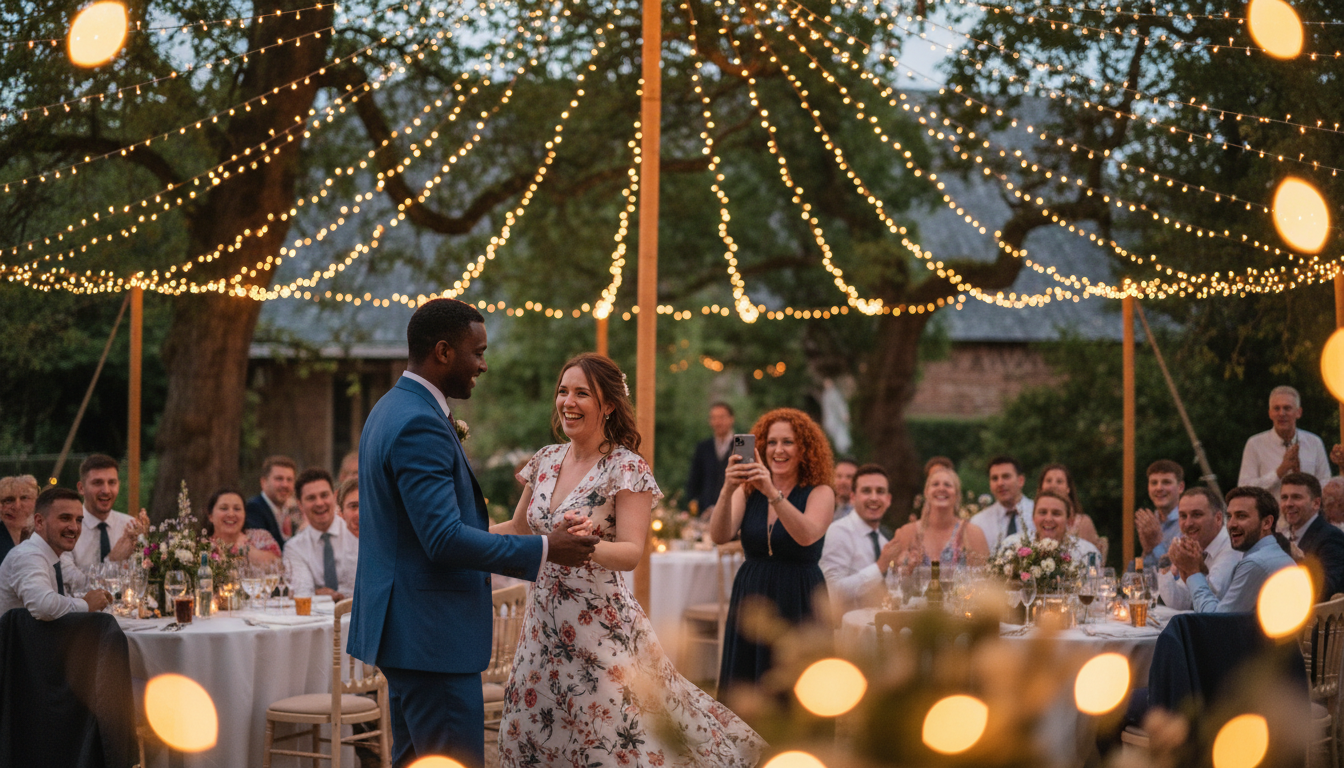
7 Practical Ways to Bridge the Tech Gap at Your 2026 Wedding
Don't let your high-tech wedding alienate low-tech guests. Learn how to balance AI, QR codes, and digital sharing with traditional charm.
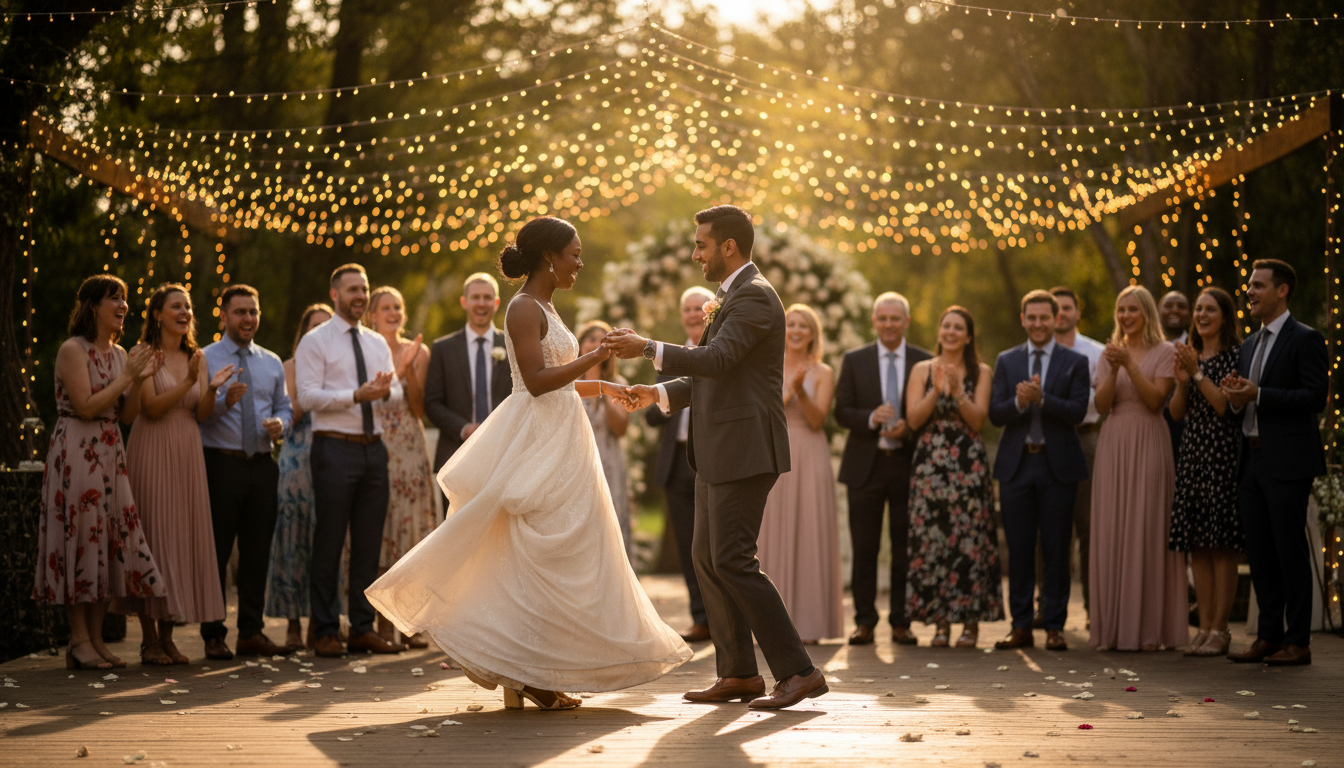
Wedding Photo Ghosting: 5 Ways to Get Every Guest's Shot
Tired of waiting months for pro photos? Learn how to stop guest photo ghosting and collect every candid moment from your wedding instantly.
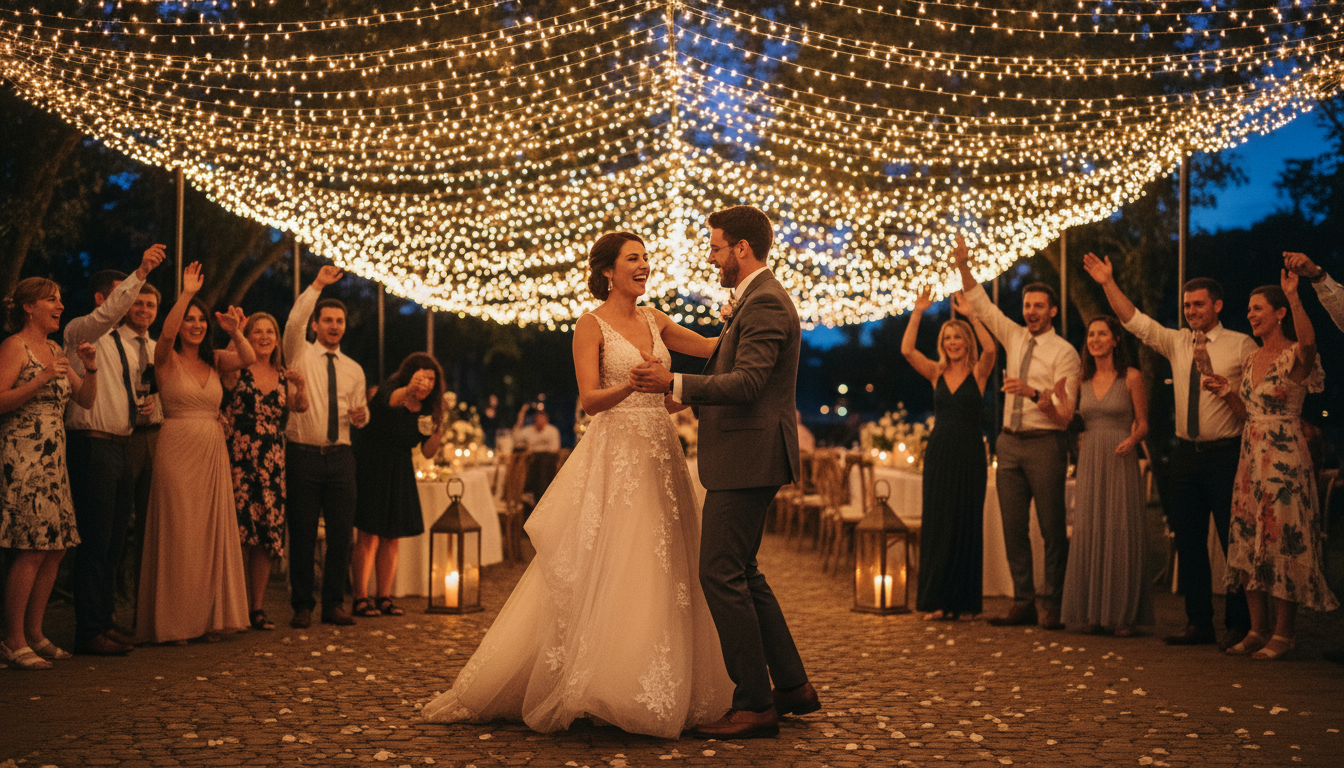
Why Small Weddings Fail at Photo Memories (And 5 Ways to Fix It)
Intimate weddings often result in fewer photos than large ones. Learn why the 'intimacy gap' happens and how to capture every moment in 2026.