The New 2026 Standard: Luxury Without the Landfill
By 2026, the average cost of a wedding has ballooned past $35,000, and the average event generates over 400 pounds of trash. If those numbers make you wince, you aren’t alone. A new generation of couples—let’s call them the 'Conscious Curators'—are proving that you can host a breathtaking, high-end celebration on a $10,000 budget while maintaining a near-zero carbon footprint.
Planning a wedding shouldn't feel like a choice between your financial future and your ethical values. This guide breaks down exactly how to navigate the 'Wedding Industrial Complex' to create a day that is as kind to your bank account as it is to the planet.
Step 1: The 'Digital-First' Foundation
Start your sustainability journey by eliminating the most common source of paper waste: the multi-page invitation suite. In 2026, high-end digital invitations are no longer considered 'informal'; they are considered responsible.
By using a centralized digital hub for RSVPs, meal selections, and registry info, you save an average of $800 in printing and postage. More importantly, you prevent hundreds of pounds of paper from heading straight to a recycling bin (or worse, a landfill) three days after the event. Use these savings to upgrade your menu or extend your honeymoon.
Step 2: The 'Found' Aesthetic (Upcycling & Thrifting)
Forget the generic party rental store. To stay under a $10,000 budget, you need to think like an interior designer. Visit local estate sales and thrift shops to source 'mismatched' vintage glassware and brass candlesticks.
One couple we worked with, Sarah and James, spent six months collecting 80 unique vintage plates for their reception. Total cost? $120. The result? A stunning, eclectic table landscape that looked like a Pinterest board come to life. After the wedding, they resold the set to another couple for $150, making their decor essentially 'profit-positive.'
Step 3: Seasonal, Plant-Forward Catering
Food is typically the largest line item on any wedding budget. To slash costs without sacrificing quality, move away from the 'Chicken or Beef' plated dinner.
Instead, opt for a seasonal, plant-forward buffet or family-style service. In 2026, local 'farm-to-table' isn't just a buzzword; it’s a budget strategy. By choosing ingredients that are currently in season in your specific region, you reduce transportation emissions and cost. Focus on high-impact, low-cost staples like heirloom grains, local root vegetables, and artisan breads. Guests rarely remember the protein—they remember the flavor and the presentation.
Step 4: Crowdsourcing Your Visual Legacy
Professional photography is non-negotiable, but the $6,000 price tag for a 10-hour package often is. To maintain your $10k budget, consider hiring a professional for a 'short-coverage' package (4 hours) to capture the ceremony and formal portraits.
For the reception and the 'real' moments, leverage your guests. Instead of buying 50 disposable plastic cameras (which are expensive to develop and produce terrible waste), use a modern digital solution. By placing a KnotShots QR code at every table, your guests can instantly upload their high-resolution candid photos to a shared gallery. You get to see the wedding through 80 different lenses—from the perspective of your best friend and your grandma—without the environmental impact of physical film or the cost of a second photographer.
Step 5: The Circular Wardrobe
The 'once-worn' dress is the ultimate symbol of wedding waste. In 2026, the trend has shifted toward the 'Circular Wardrobe.' Consider these three options:
- Rent: Platforms like Wardrobe or specialized bridal rental boutiques offer $5,000 gowns for $400.
- Vintage: Scour high-end consignment shops for 1990s or early 2000s silhouettes that are currently trending.
- Separates: Purchase high-quality pieces you can actually wear again, like a silk slip dress or a tailored white blazer.
Step 6: Floral Rescue and Potted Plants
Cut flowers are beautiful, but they are often treated with heavy pesticides and flown across the globe. For a zero-waste wedding, rethink your centerpieces.
Instead of cut bouquets, use potted herbs, ferns, or succulents. These double as decor during the event and can be taken home by guests as functional party favors. If you must have cut flowers, contact a local 'floral rescue' organization that takes wedding flowers after the event and repurposes them for hospitals or nursing homes, ensuring their beauty lasts longer than six hours.
Step 7: The 'No-Trash' Party Favor Strategy
Most party favors end up in the hotel trash can. If you want to thank your guests, give them an experience or a consumable.
- A local honey jar from a nearby apiary.
- Seed packets for native wildflowers.
- A donation to a climate charity in their name.
Avoid anything plastic, anything with your names and date printed on it (nobody wants a 'Dave & Lisa 2026' bottle opener), and anything that requires excessive packaging.
The Takeaway: It’s About the 'Why'
Planning a $10,000 zero-waste wedding requires more intention than simply writing a check to a full-service planner. However, the result is a celebration that feels deeply personal, incredibly stylish, and entirely guilt-free. When you strip away the excess, you’re left with what actually matters: the people in the room and the memories you’re making. By choosing sustainable tools and local resources, you’re not just saving money—you’re starting your marriage with a commitment to the future.
Related Articles
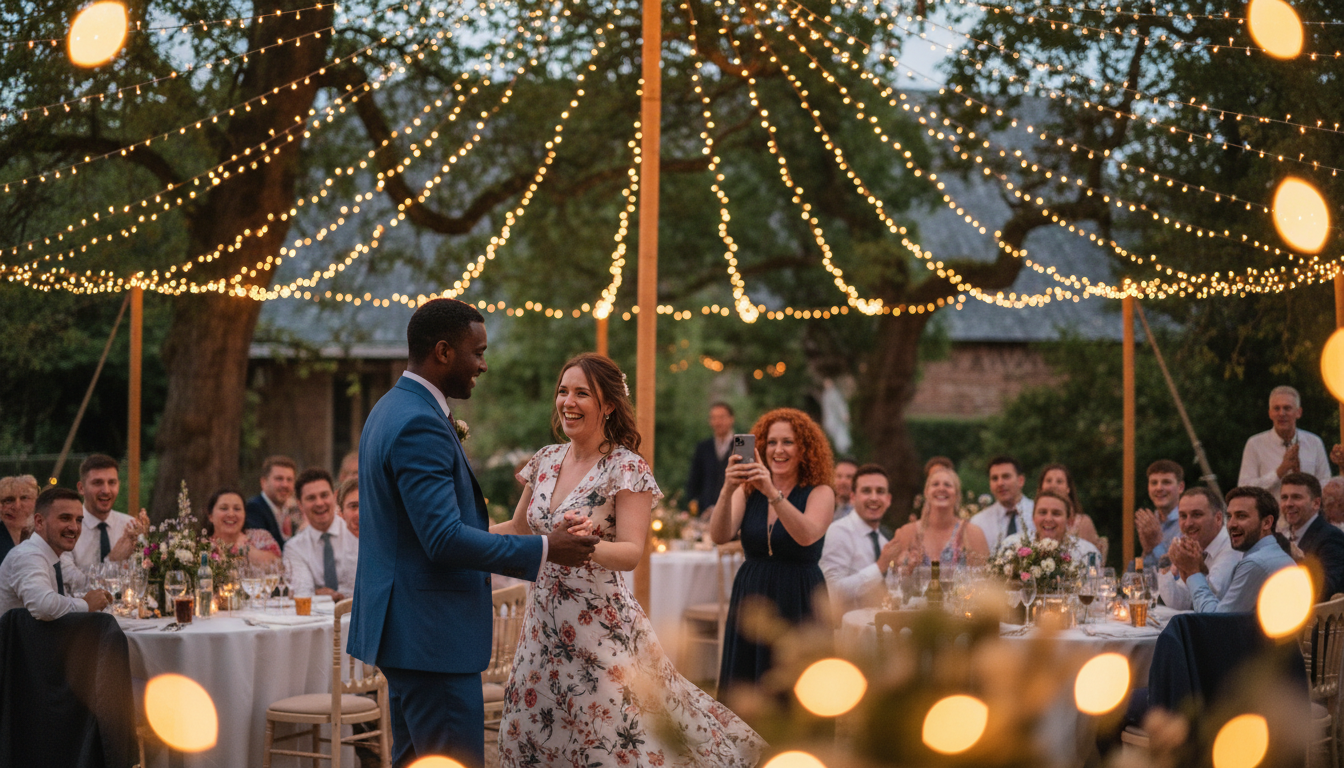
7 Practical Ways to Bridge the Tech Gap at Your 2026 Wedding
Don't let your high-tech wedding alienate low-tech guests. Learn how to balance AI, QR codes, and digital sharing with traditional charm.
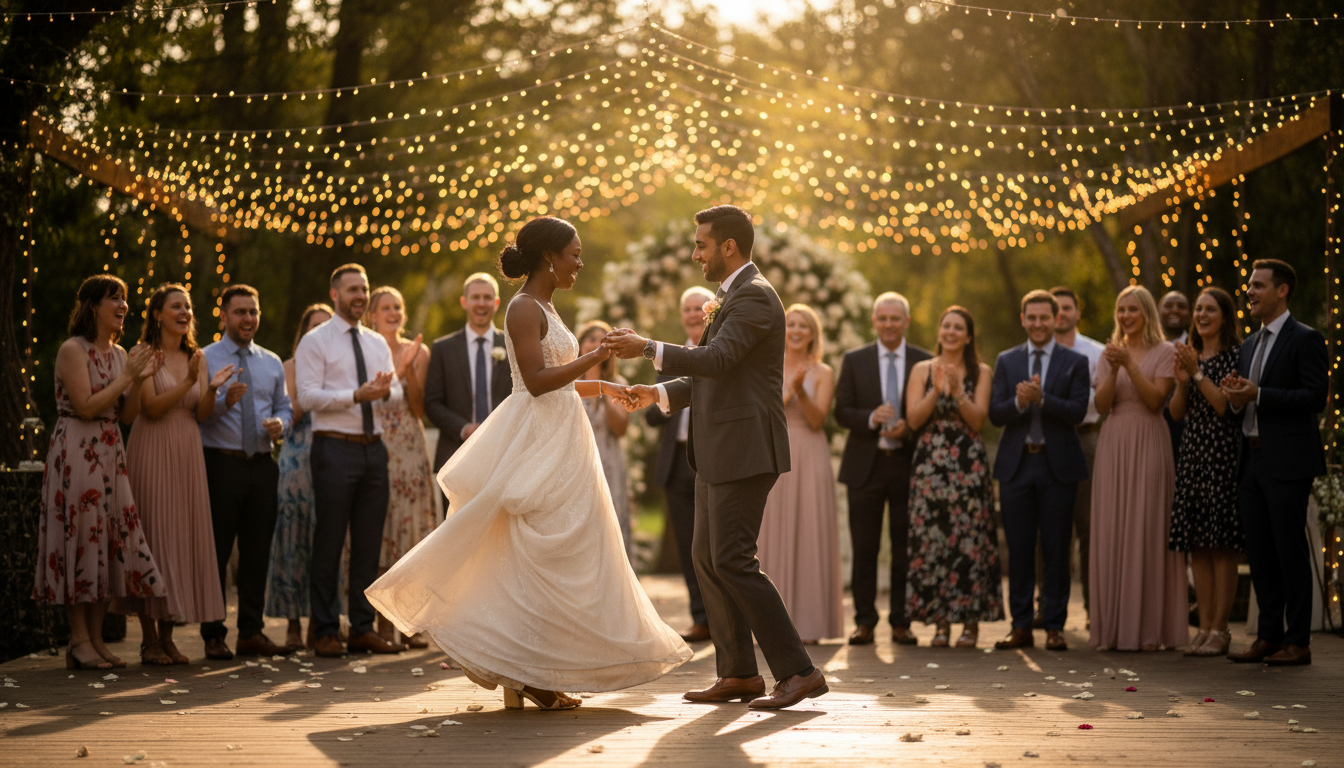
Wedding Photo Ghosting: 5 Ways to Get Every Guest's Shot
Tired of waiting months for pro photos? Learn how to stop guest photo ghosting and collect every candid moment from your wedding instantly.
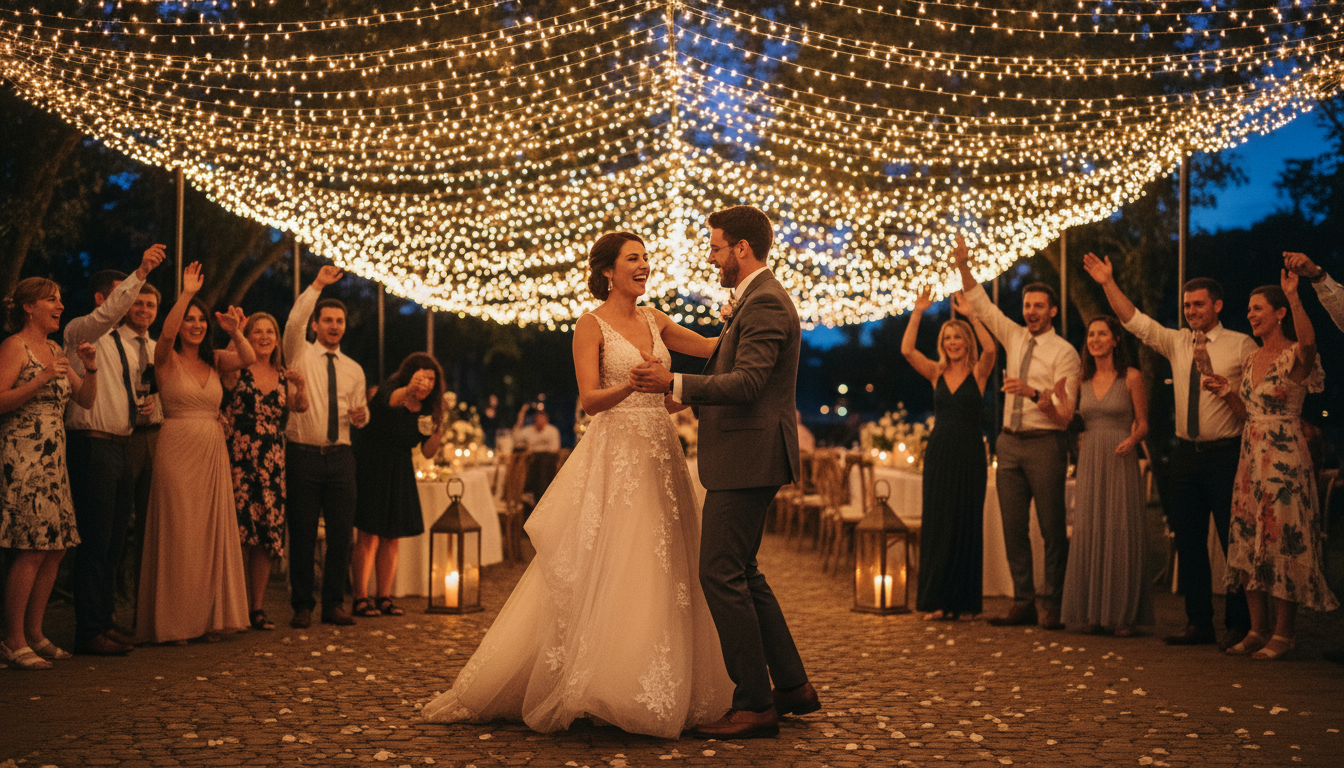
Why Small Weddings Fail at Photo Memories (And 5 Ways to Fix It)
Intimate weddings often result in fewer photos than large ones. Learn why the 'intimacy gap' happens and how to capture every moment in 2026.