The 2026 Zero-Waste Wedding: Tech Tools for a $5k Micro-Ceremony
Why the 'Big White Wedding' is Shrinking in 2026
By 2026, the average cost of a traditional wedding has climbed past $45,000, leaving many couples feeling priced out of their own joy. But there is a secondary movement happening alongside the budget crunch: the rise of the radical environmentalist couple. If you are currently staring at a guest list of 150 people and wondering how much of that paper and plastic will end up in a landfill by Monday morning, this guide is for you.
Planning a zero-waste wedding isn't just about using compostable forks; it’s about leveraging the 2026 tech stack to replace physical waste with digital experiences. Here is how to plan a stunning, intimate micro-ceremony for 30 people under a $5,000 budget without leaving a footprint.
Step 1: Establish Your 'Digital First' Invitation Suite
Paper waste begins the moment you send a 'Save the Date.' In 2026, premium couples are ditching the $1,500 letterpress sets for immersive digital portals. Forget a basic website; think about a central hub that includes interactive maps, dietary preference sliders, and even a brief video greeting from the couple.
The Strategy: Use a platform like Joy or Riley & Grey, but customize it with a personalized domain. By eliminating physical mail, you save an average of $800 and approximately 15 lbs of paper and adhesive waste.
Step 2: Source a 'Living' Venue
Instead of spending $3,000 on a hall that requires $2,000 in rented decor, look for 'living' venues. Public botanical gardens, rooftop greenhouses, or even a local regenerative farm provide a built-in aesthetic that requires zero additional decoration.
When Sarah and Leo planned their February 2026 micro-wedding, they chose a local community greenhouse. The natural greenery meant they spent $0 on cut flowers—which are notoriously high-waste and high-carbon. They simply added a few rented LED uplights to set the mood once the sun went down.
Step 3: Curate the High-Tech, Low-Waste Guest Experience
The biggest challenge of a micro-wedding is making it feel 'grand.' Use technology to bridge the gap.
- Digital Programs: Place a single, elegant wooden sign with a QR code at the entrance. Guests can scan it to see the order of service and the bridal party bios.
- Smart Lighting: Use programmable LEDs that change with the rhythm of the music, reducing the need for physical 'party favors' like glow sticks or confetti.
Step 4: Solve the Photo Dilemma Without the Plastic
In previous years, couples would buy 20 disposable plastic cameras to capture candid moments. In 2026, that's an environmental (and financial) nightmare. However, the need for those 'through-the-eyes-of-my-guests' photos hasn't changed.
To keep things truly zero-waste, many couples are now skipping the printed prompts and physical disposables. Instead, they use KnotShots.io to create a live, digital gallery. Guests simply scan a code, and every high-resolution photo they take on their smartphones uploads instantly to a shared cloud. There are no apps to download, no physical waste from film processing, and you don't have to wait weeks to see the photos that your best friend took during the toasts. It’s the ultimate 2026 solution for the eco-conscious couple who still wants every memory documented.
Step 5: The 'Circular' Catering Menu
Catering is usually the largest expense and the largest source of waste. For a $5k budget, skip the three-course plated meal. Instead, opt for 'Family Style' service using locally sourced, seasonal ingredients.
Actionable Tip: Partner with a farm-to-table caterer who guarantees a 'compost-first' kitchen policy. By serving 30 people instead of 130, you can afford higher-quality, organic ingredients while staying under a $2,500 food and beverage cap. Use rented glassware and cloth napkins—never disposables.
Step 6: Meaningful Minimalist Favors
If you must give a gift, make it digital or edible. In 2026, 'Seed Bombs' or a donation to a carbon-offset program in the guest's name are the gold standards.
If you want something more personal, consider a digital 'Memory Pack.' Using the photos collected throughout the night via your sharing platform, you can send a personalized digital thank-you note a week later that includes a link to the full gallery. It’s a gift that lives on their phone, not in their junk drawer.
The Final Tally: A Sample $5,000 Budget
- Venue: Local Greenhouse/Garden ($1,000)
- Catering & Drinks: Farm-to-Table Family Style ($2,200)
- Photography: 2-Hour Micro-Session + KnotShots Gallery ($1,200)
- Attire: High-End Consignment or Rental ($400)
- Admin/Digital Hub: ($200)
Total: $5,000
Planning a wedding in 2026 doesn't have to mean choosing between your bank account and your values. By leaning into the 'less but better' philosophy and using smart tech to replace physical clutter, you can create a day that is as sustainable as it is unforgettable.
Ready to capture your zero-waste wedding memories without the clutter? Start your KnotShots gallery today and let your guests help document the magic.
Related Articles
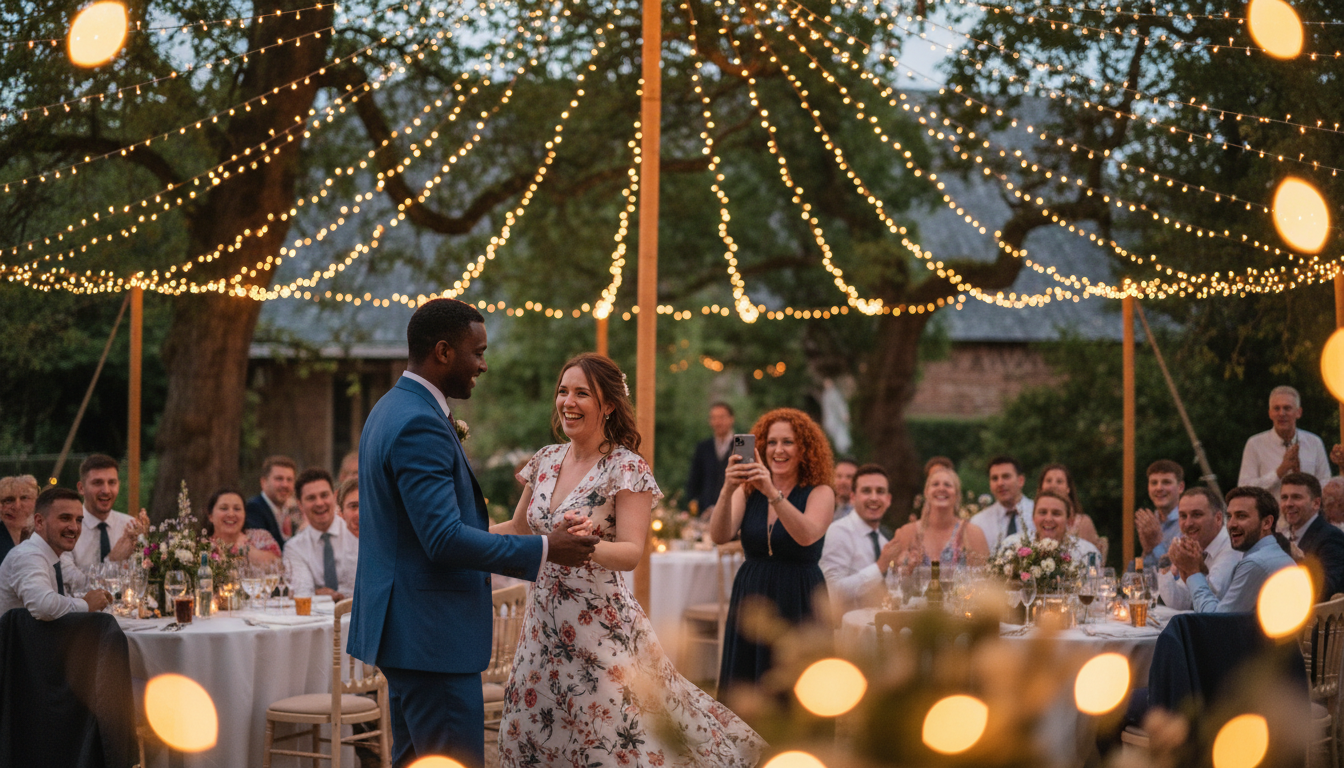
7 Practical Ways to Bridge the Tech Gap at Your 2026 Wedding
Don't let your high-tech wedding alienate low-tech guests. Learn how to balance AI, QR codes, and digital sharing with traditional charm.
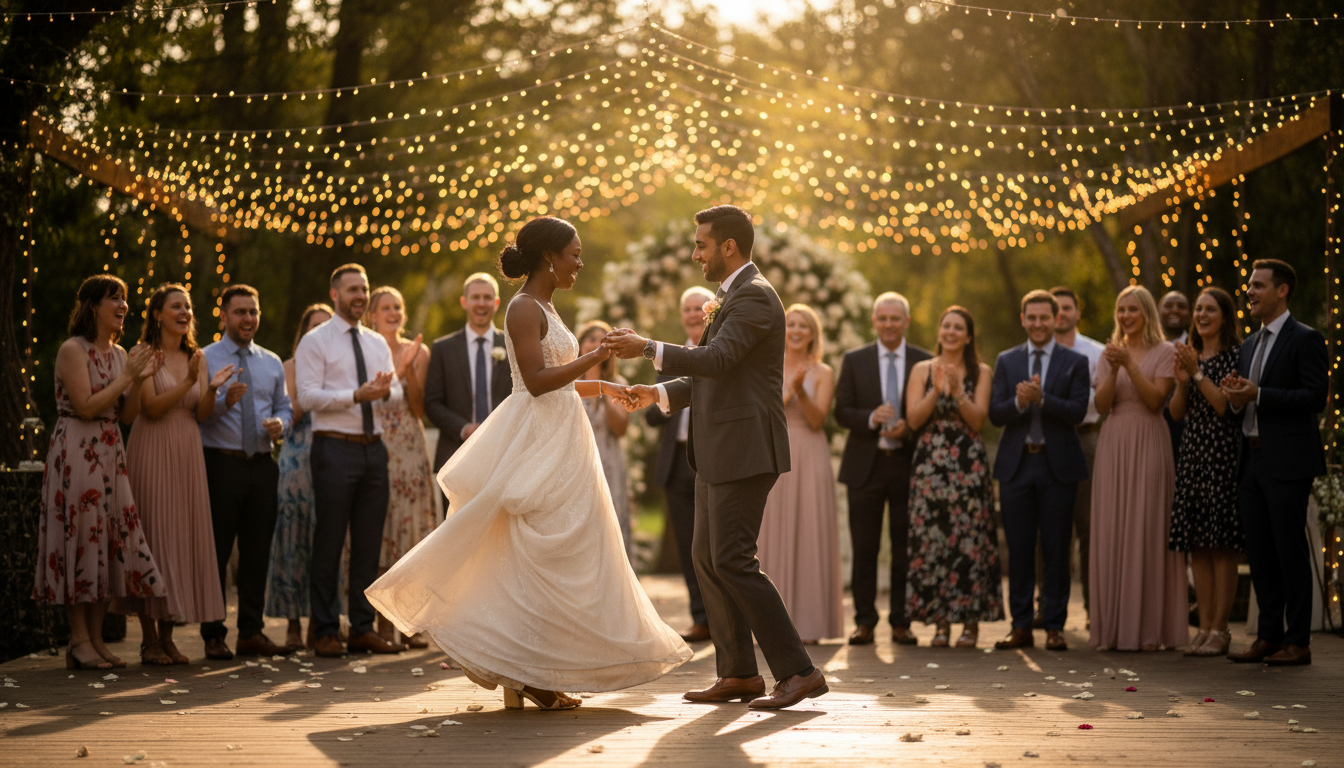
Wedding Photo Ghosting: 5 Ways to Get Every Guest's Shot
Tired of waiting months for pro photos? Learn how to stop guest photo ghosting and collect every candid moment from your wedding instantly.
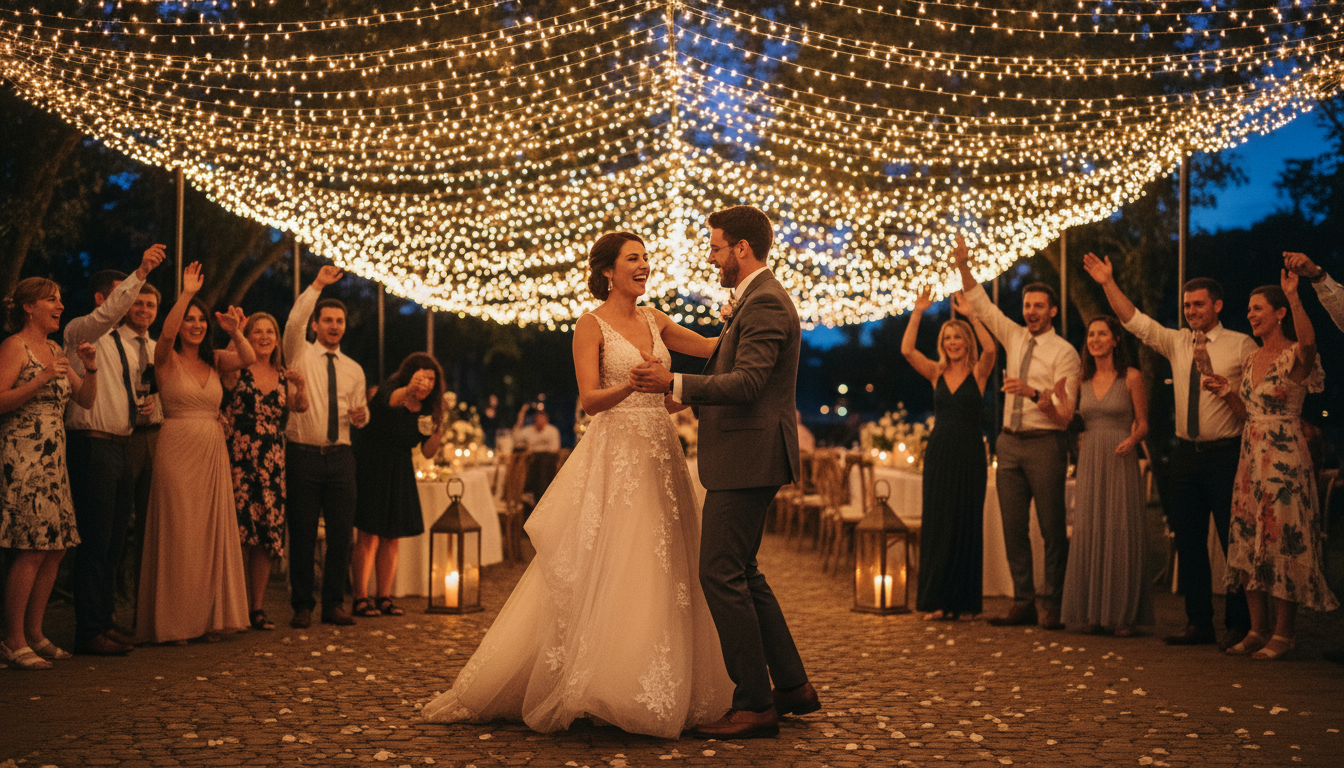
Why Small Weddings Fail at Photo Memories (And 5 Ways to Fix It)
Intimate weddings often result in fewer photos than large ones. Learn why the 'intimacy gap' happens and how to capture every moment in 2026.