Capture the Vibe: The 2026 Guide to No-Flash Night Photography
The Low-Light Challenge: Why Flash is Often the Enemy of Atmosphere
We’ve all been there. You’re at a stunning candlelit 30th birthday party or a twilight garden wedding reception. The mood is intimate, the string lights are glowing, and the energy is electric. You pull out your phone or camera to capture a candid moment of your best friend laughing, only for the flash to fire.
Suddenly, the 'vibe' is gone. The background is pitch black, your friend looks like a deer in headlights, and every tiny speck of dust in the air has been illuminated like a miniature snowstorm. In 2026, we have the technology to do better. This guide is designed to help you master the art of night event photography without ever touching that flash toggle.
1. Embracing Computational Photography in 2026
If you are using a flagship device from the last two years—like the iPhone 17 Pro or the latest Samsung Ultra—you have a powerhouse of AI-driven light processing in your pocket. These devices use 'image stacking,' taking dozens of photos in a fraction of a second and merging them to reduce noise and pull detail out of the shadows.
The 'Hold Still' Rule
Even with the best AI, physics still matters. When your device enters 'Night Mode,' it increases the shutter speed (the time the sensor is open). If you move your hands, the photo will blur. To fix this, tuck your elbows into your ribs, take a breath, and hold it while you tap the shutter. Using the physical volume button instead of the on-screen button can also reduce 'shutter shake.'
Overriding the Exposure
Your phone’s AI wants to make the photo look bright, often turning 'night' into 'overcast day.' This ruins the mood. Tap your subject on the screen to focus, then slide the little sun icon (the exposure slider) down. By underexposing slightly, you preserve the deep blacks and keep the glowing lights looking like actual light sources rather than white blobs.
2. Finding the Light: A Hunter’s Strategy
In a low-light environment, you aren't just a photographer; you are a light hunter. Before you press the shutter, look at your subject’s face. Where is the light coming from?
- The 'DJ Booth' Glow: Use the vibrant neons of the music setup to edge-light your subjects.
- Table Candles: Position your subject so the candle is slightly to the side of their face, creating a dramatic, warm 'Rembrandt' lighting effect.
- Smartphone Screens: Sometimes, the brightest light in a dark room is the screen of another guest's phone. Use that blueish light to capture a sharp, modern candid.
3. The Technical Trio: ISO, Aperture, and Shutter Speed
For those using a dedicated mirrorless camera at an event, the rules of the 'Exposure Triangle' are your best friends. To avoid flash, you must compromise in other areas.
- Aperture (f-stop): Use your fastest lens. If you have a 35mm f/1.8 or a 50mm f/1.4, now is the time to use it. Opening the aperture wide allows the maximum amount of light to hit the sensor.
- ISO: Don’t be afraid of high ISO. In 2026, modern sensors can handle ISO 6400 or even 12800 with minimal 'grain.' It is always better to have a sharp photo with some grain than a clean photo that is blurry because your shutter speed was too slow.
- Shutter Speed: For people who are talking and moving, try to stay above 1/125th of a second. If they are dancing, you may need 1/250th. If you go slower, you’ll get 'ghosting'—which can be an artistic choice, but usually just looks like a mistake.
4. Managing Large Groups in the Dark
Group photos are the hardest part of night event photography. When you have ten people standing in a row, the light usually hits the people in the middle but leaves the people on the ends in total darkness.
The Solution: Move the group. Instead of trying to take the photo in the middle of the dance floor, suggest moving the group near a brightly lit bar or under a specific decorative lamp. Your guests will thank you when they see a photo where they are actually visible.
5. The After-Party: Managing Everyone's Photos
One of the biggest pain points of event photography isn't just taking the photos—it's getting them. At a night event, five different people might take the same photo, but only one of them (the one with the steadiest hand or the newest phone) will actually look good.
This is where KnotShots changes the game. Instead of texting blurry, compressed versions of these night shots to a group chat, you can set up a central gallery. Guests simply scan a QR code and upload their best shots. Because KnotShots preserves the quality of the upload, those carefully captured low-light gems won't lose their detail to the 'WhatsApp blur.' It’s the easiest way to ensure that the mood you worked so hard to capture is the mood everyone remembers.
6. Post-Processing: Saving the 'Almost' Shots
Sometimes, despite your best efforts, a photo comes out looking a bit 'muddy.' Don't delete it yet. The secret of professional event photographers is 'Black and White.'
When you convert a noisy, low-light photo to black and white, the digital 'noise' often starts to look like classic film grain. It adds a layer of sophistication and 'timelessness' to the image. Additionally, use the 'De-noise' AI tools available in apps like Lightroom or even the native iOS editor. These tools have become incredibly powerful in 2026, able to smooth out shadows while keeping the edges of your subject sharp.
Actionable Takeaways for Your Next Event
- Check your lens: Before the sun goes down, wipe your phone lens with a microfiber cloth. Smudges on the lens cause 'light streaking' from candles and lamps.
- Look for 'Static' moments: If you're struggling with blur, wait for people to stop moving—like during a speech or a toast.
- Use the Environment: Lean against a wall or a pillar to stabilize your body for longer night exposures.
- Crowdsource the best: Set up your KnotShots gallery early so you can see the night through everyone’s lens, not just your own.
Photography is about painting with light. Just because there isn't much light doesn't mean you can't create a masterpiece. By leaning into the shadows and using your 2026 tech wisely, you'll capture memories that feel exactly like the night itself: warm, vibrant, and perfectly authentic.
Related Articles
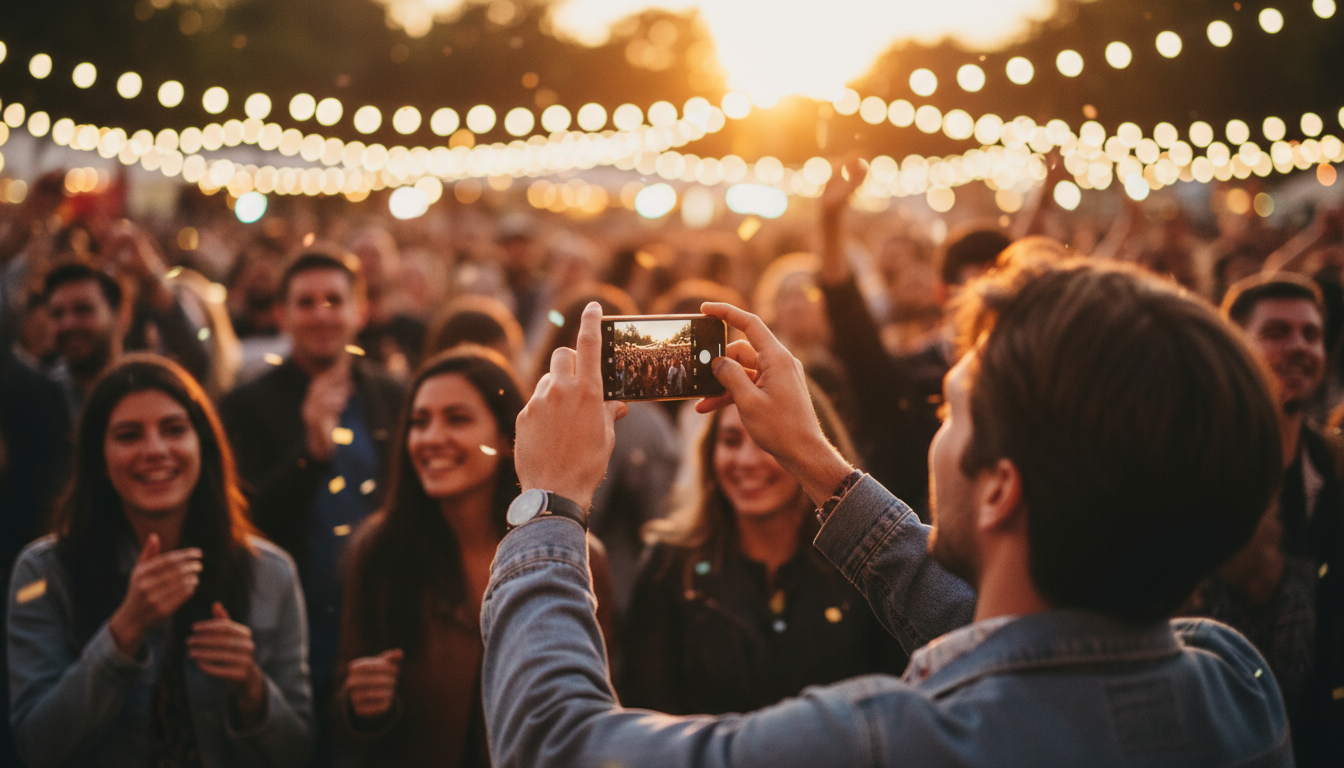
2026 Guide to Night Event Photography: Zero Flash, No Grain
Master low-light event photography with our 2026 guide. Learn to capture crisp, atmospheric photos without using a distracting flash or losing image quality.
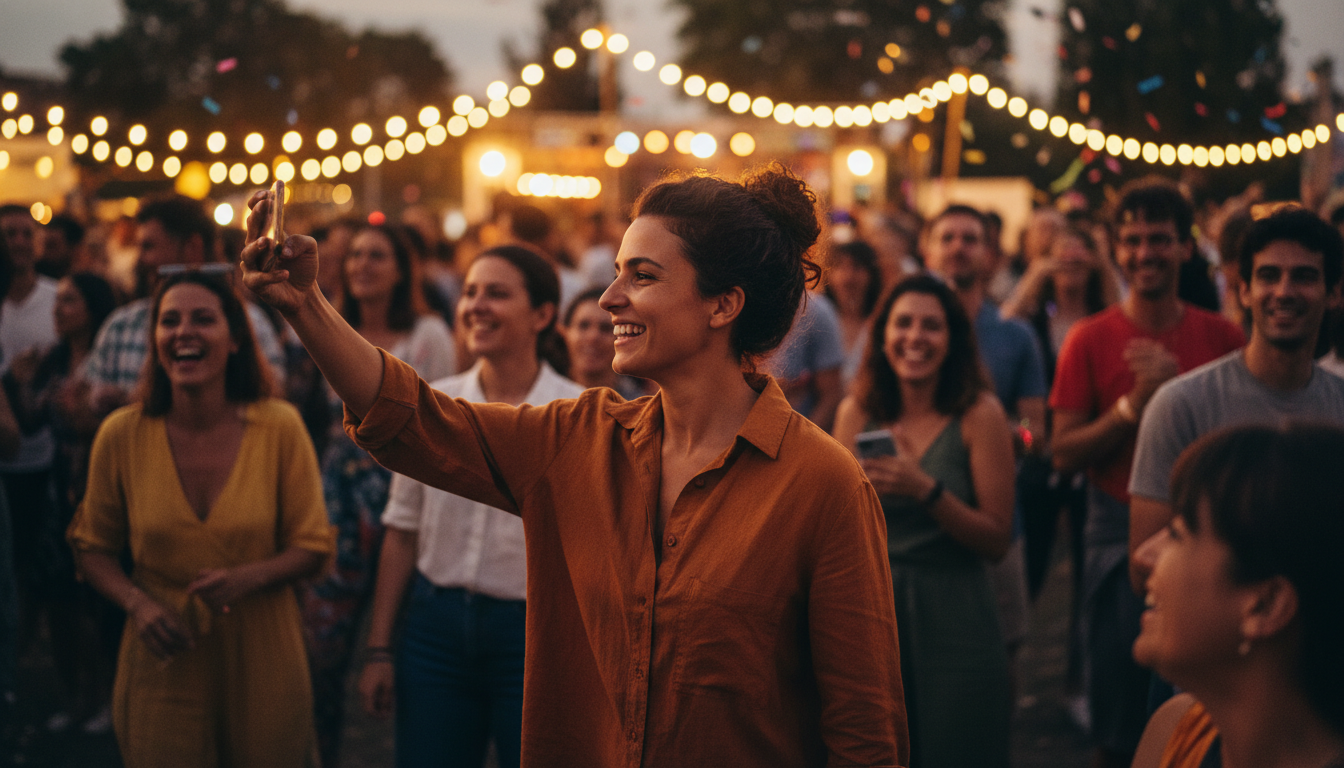
2026 Night Event Photography: Capture Pro Shots Without a Flash
Tired of grainy evening photos? Master low-light photography using your smartphone with these pro-level tips for 2026 events.
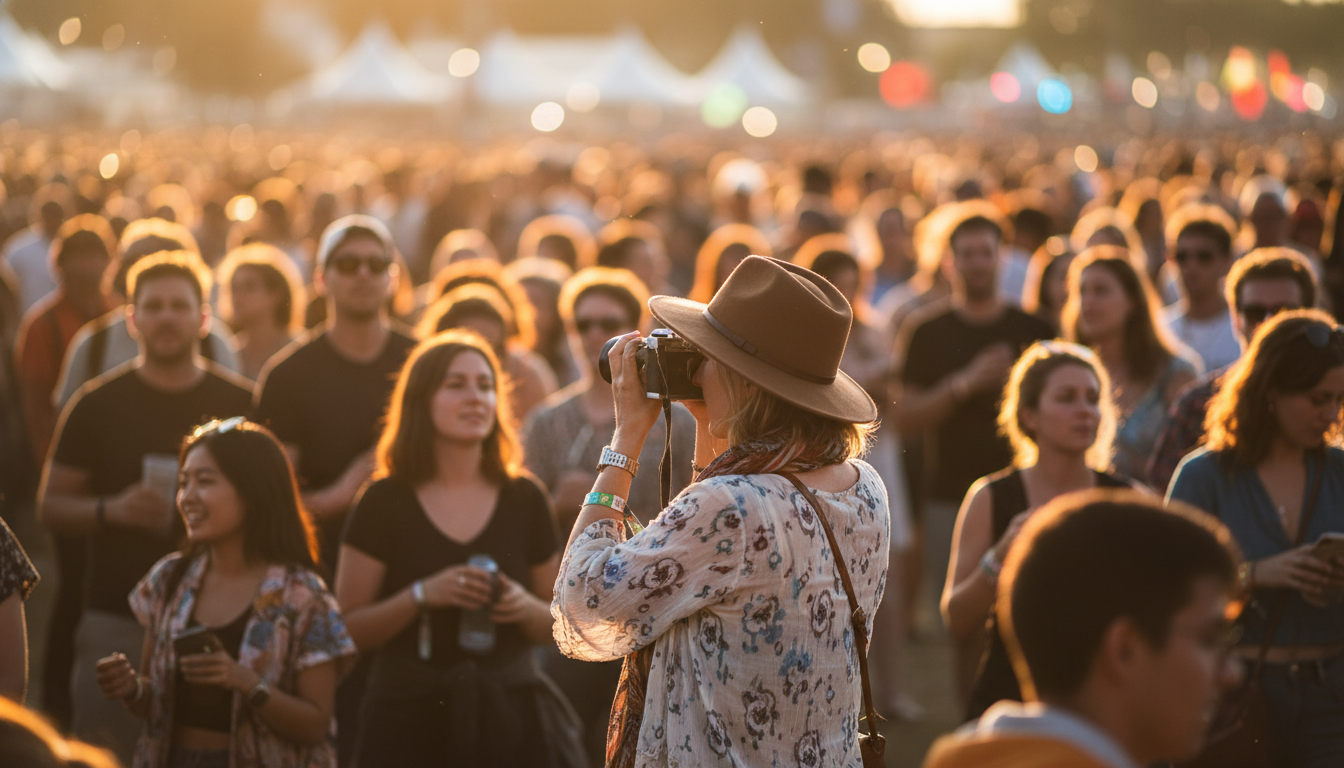
2026 Guide: Pro Event Photos With Only Your Phone
Capture high-res memories like a pro using 2026's latest smartphone features and these 5 simple expert techniques.