2026 Night Event Photography: Capture Pro Shots Without a Flash
Why Your Night Photos Look Like Grainy Blobs (and How to Stop It)
We’ve all been there. The atmosphere at the rooftop gala is electric. The fairy lights are twinkling, the city skyline is glowing, and everyone looks incredible. You pull out your phone, snap a photo, and... it looks like a blurry, orange mess.
In 2026, smartphone sensors have reached a tipping point where we no longer need bulky DSLRs to capture the 'vibe' of a dark room. However, the tech still needs a human touch. Whether you are a guest at a wedding or the organizer of a corporate after-hours mixer, mastering the dark is about understanding light, not just adding more of it. Let’s dive into how you can transform your low-light photography from 'accidental abstract art' to professional-grade memories.
1. Ditch the Direct Flash—Forever
If there is one rule you take away from this guide, let it be this: Direct smartphone flash is the enemy of atmosphere.
Direct flash flattens faces, creates harsh 'raccoon eyes,' and completely kills the ambient lighting you worked so hard to curate for the event. Instead of reaching for the lightning bolt icon, look for existing light sources. Even a single candle or a nearby neon sign provides more depth than a tiny LED bulb on the back of your phone. If you absolutely must use a flash, have a friend hold their phone's flashlight at a 45-degree angle to your subject to create 'off-camera' lighting that adds dimension rather than flattening it.
2. Master the 'Night Mode' Long Exposure
By 2026, most mid-to-high-end smartphones feature an automatic Night Mode that takes a series of photos over 1-3 seconds and blends them. The secret to making this work? Zero movement.
- The Elbow Tuck: Pull your elbows tight against your ribs to create a human tripod.
- The Exhale: Gently exhale and hold your breath right as you tap the shutter button.
- The Lean: If there’s a wall, a table, or a sturdy chair nearby, press your phone against it to eliminate shake.
When your phone is perfectly still, the AI can gather significantly more light data, resulting in crisp details even in a dimly lit ballroom.
3. Hunting for the 'Golden Glow'
Not all light is created equal. In photography, we look for 'key light'—the primary source of illumination. At a night event, this is rarely the ceiling lights.
Look for these light sources:
- The Bar: Bars are almost always the best-lit area of an event. Use the backlighting from the bottles to create cool silhouettes.
- Table Centerpieces: If there are candles or LED votives, position your subject so the light hits their face from the side.
- Smart Screens: In 2026, digital signage is everywhere. Use the soft glow from a large monitor to illuminate a group shot without the harshness of a flash.
4. The 2026 AI Post-Processing Secret
Even a 'bad' night photo can be saved with the right editing workflow. Today’s AI-powered editing tools can distinguish between 'noise' (the grainy texture) and 'detail' (the subject’s face).
If your photo looks a bit muddy, try a 'Slight De-noise' filter, but be careful not to overdo it—you don't want everyone looking like they are made of plastic. Sometimes, the most professional move for a very dark photo is to convert it to Black and White. High-contrast monochrome hides digital noise and makes a grainy photo look like a deliberate, artistic choice from a classic film camera.
5. Composition: Using the Dark to Your Advantage
At night, you don't need to show everything. Use 'negative space'—the dark areas of the frame—to draw attention to what matters.
Try the Rule of Thirds even in the dark. Place your illuminated subject on the left or right side of the frame, letting the darkness of the venue fill the rest. This creates a sense of mystery and scale that a fully lit photo simply can't match. If you’re at a high-end corporate event, capture the 'movement' by having your subject walk through a beam of light while you use a slightly longer shutter speed; the resulting light trail looks incredibly high-end.
6. How to Gather Everyone’s Low-Light Gems
Night events are notoriously difficult to document because one person’s phone might handle the dark better than another’s. You might take the perfect shot of the toast, but your friend captured the best dance floor candid.
This is where KnotShots.io becomes your best friend. Instead of hunting through messy group chats or losing quality through social media compression, you can set up a single gallery where guests can upload their high-resolution night shots instantly. It ensures that the collective memory of the night—from the grainy, high-energy dance floor shots to the perfectly staged candlelit portraits—is preserved in one place.
7. Actionable Takeaways for Your Next Event
To recap, here is your pre-event checklist for night photography:
- Clean your lens: Fingerprints cause 'light streaks' in night photos. Wipe it with a cloth.
- Lock your focus: Tap and hold on the bright part of the image (like a face) to lock the exposure so the sky doesn't look grey.
- Lower the exposure slider: Often, your phone tries to make the night look like day. Slide the little sun icon down to keep the 'night' feeling.
- Stay still for 2 seconds: Even after the 'click,' hold still to let the AI process the light.
Ready to see your event in a new light? Start a KnotShots gallery today and see how professional your community’s photography can truly be.
Related Articles
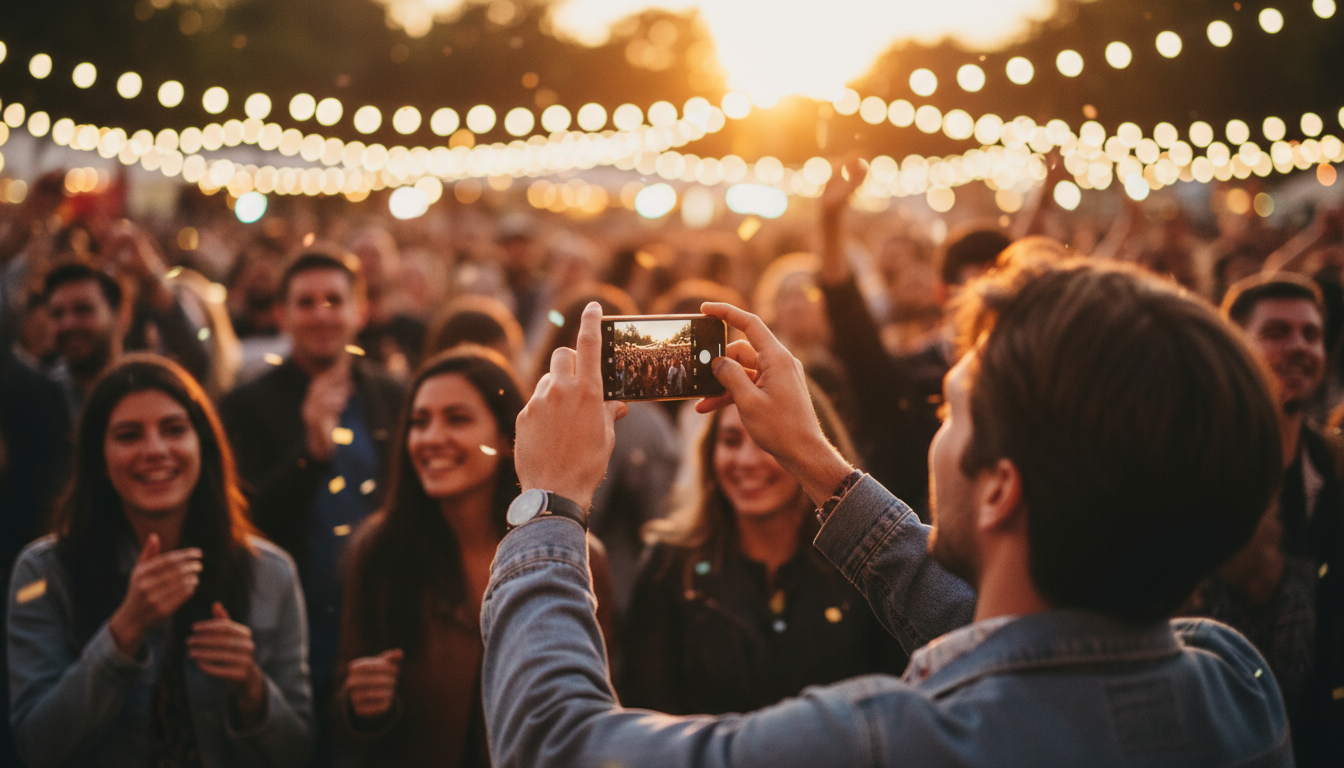
2026 Guide to Night Event Photography: Zero Flash, No Grain
Master low-light event photography with our 2026 guide. Learn to capture crisp, atmospheric photos without using a distracting flash or losing image quality.
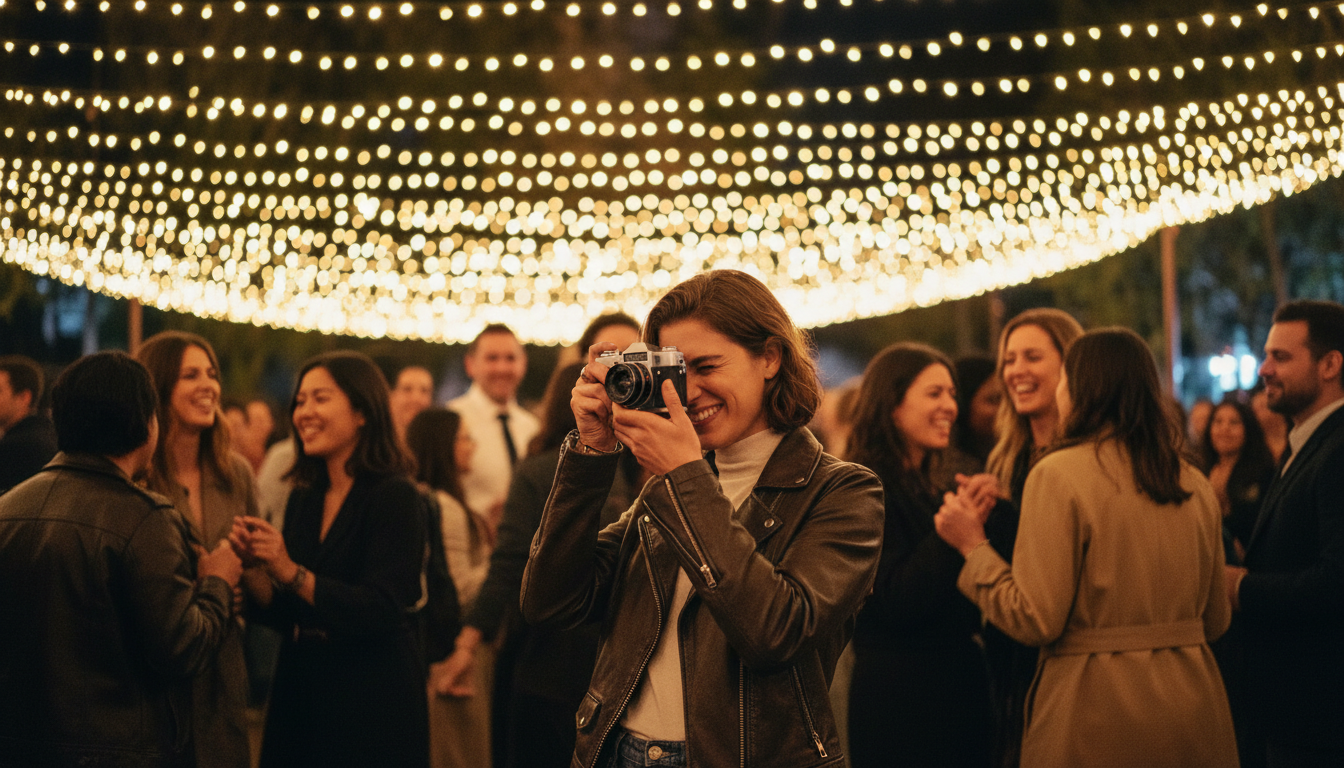
Capture the Vibe: The 2026 Guide to No-Flash Night Photography
Stop ruining event moods with harsh flashes. Learn how to capture stunning low-light photos using ambient light and modern camera tech.
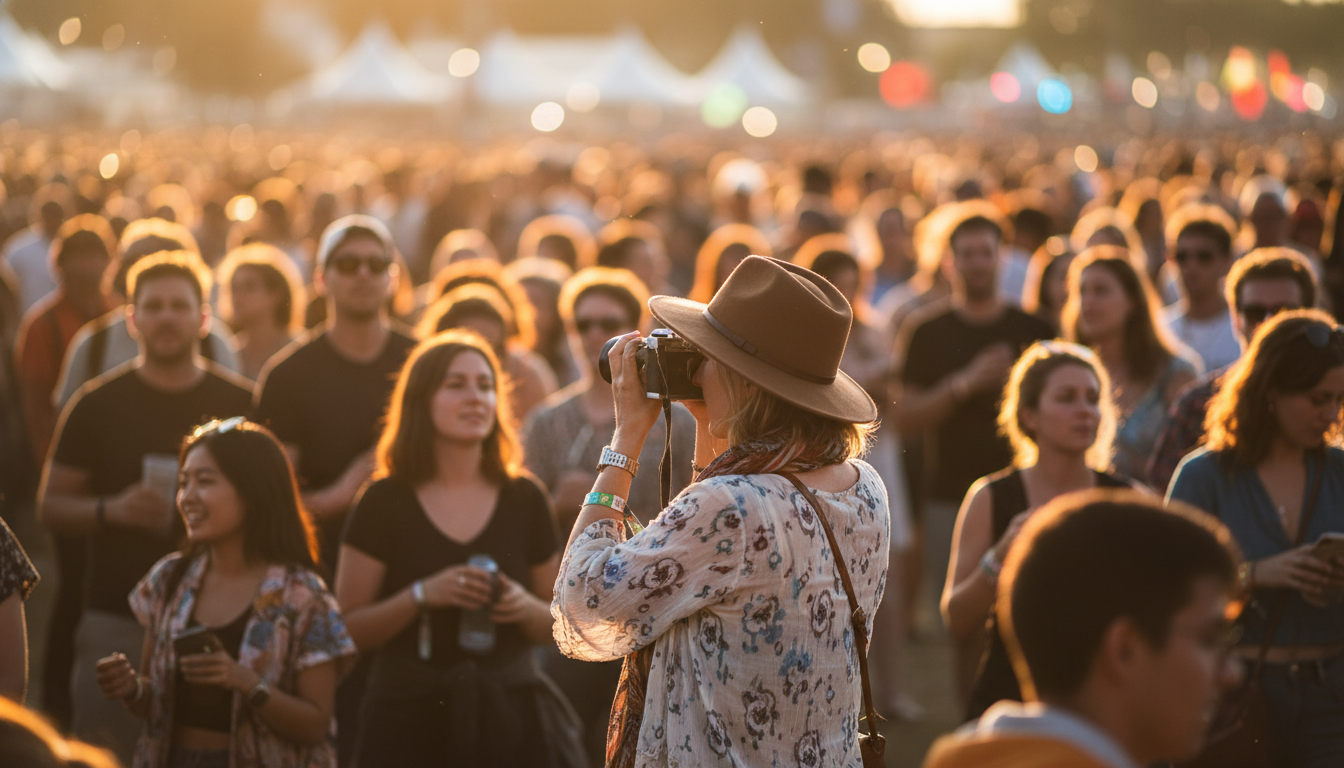
2026 Guide: Pro Event Photos With Only Your Phone
Capture high-res memories like a pro using 2026's latest smartphone features and these 5 simple expert techniques.